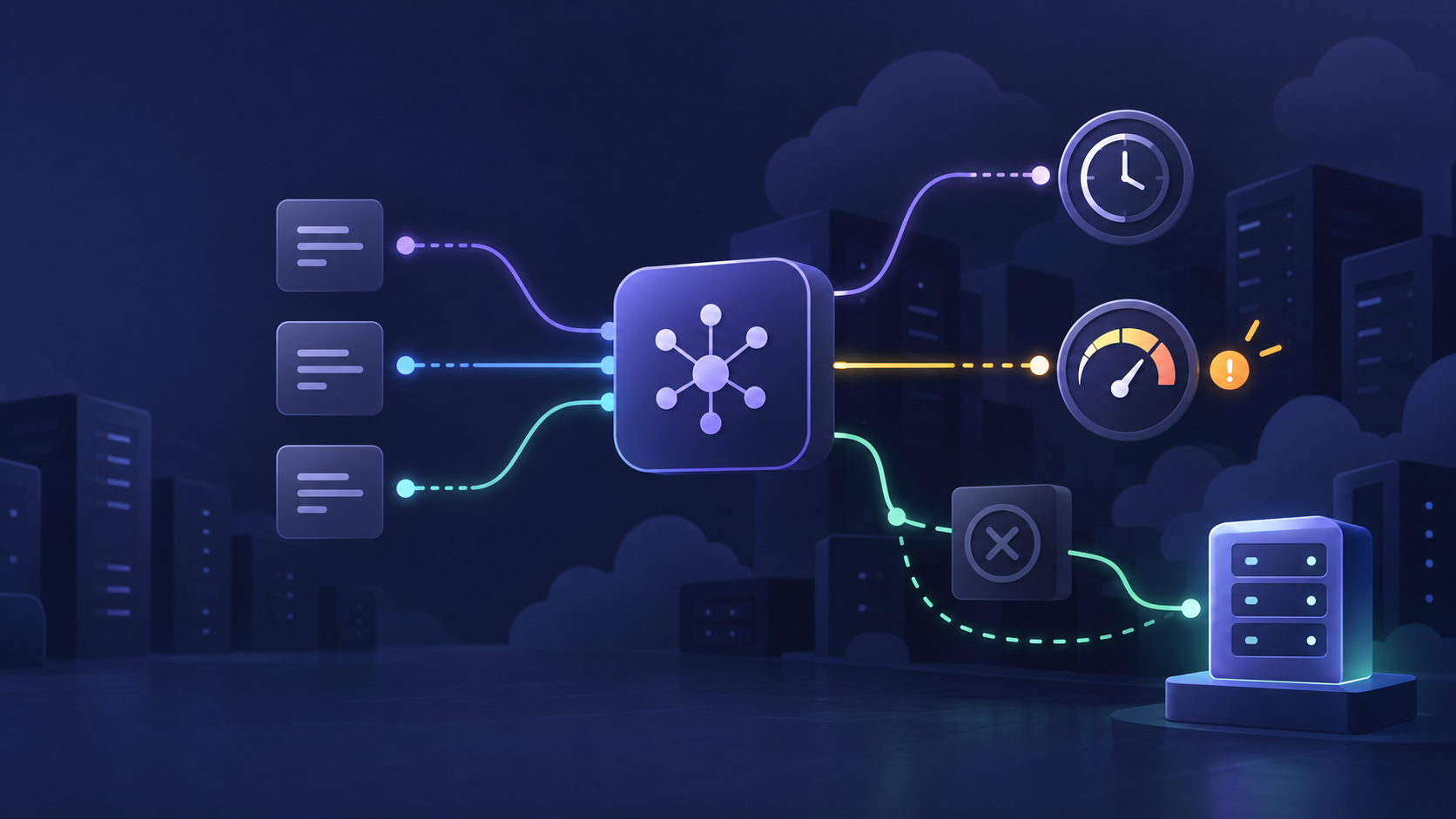
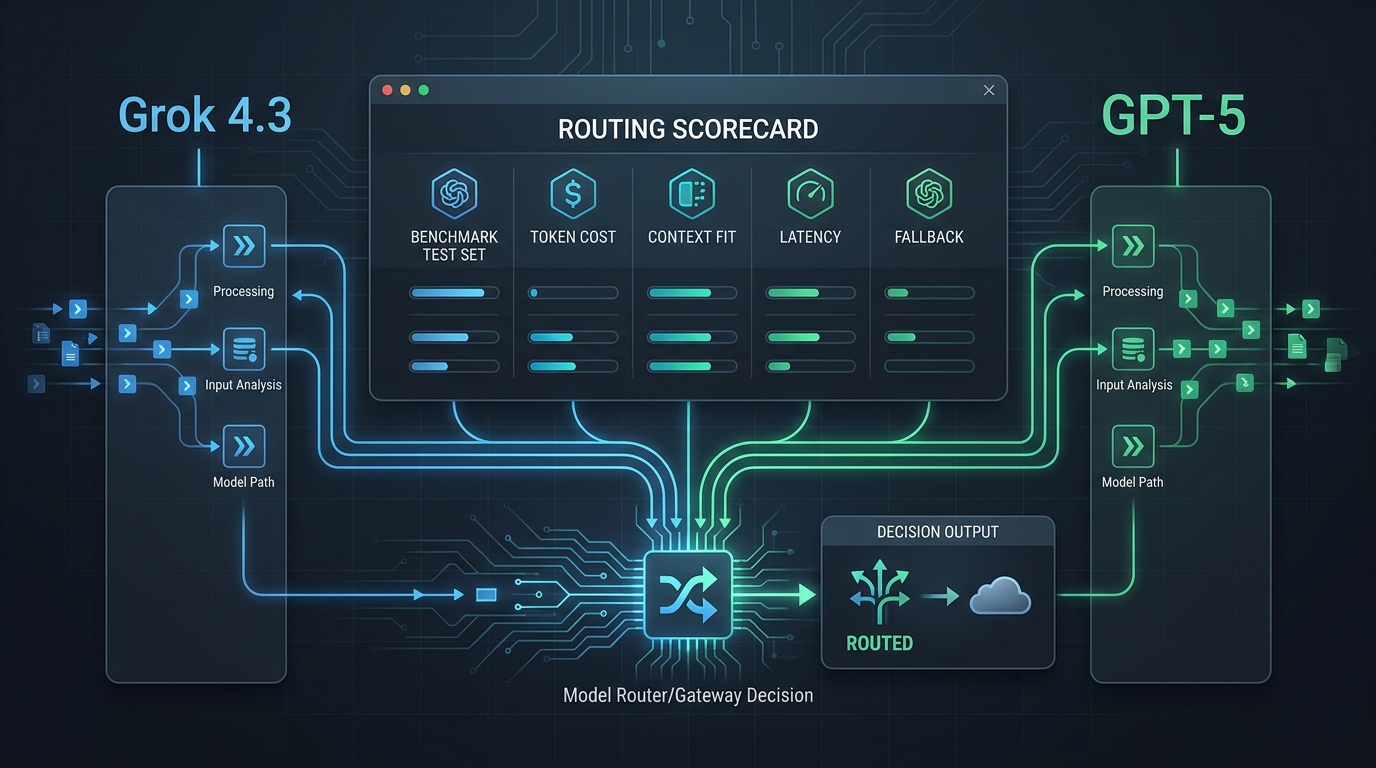
direct provider accounts vs AI API gateway is an operating decision before it is a tooling decision. Direct accounts give a team native access to each provider console, contract, quota system, billing record, and support path. One AI API gateway gives the team a single access layer for keys, routing, usage review, quotas, billing, and migration work across multiple model providers.
This comparison was checked on July 1, 2026 Asia/Shanghai against Flatkey's public home page, pricing page, live pricing API snapshot, OpenAI Admin API and usage/cost references, Anthropic administration and rate-limit docs, and Google Cloud quota and budget docs. Treat product labels, provider controls, model rows, endpoint families, and pricing behavior as point-in-time evidence. Verify the current Flatkey pricing row and the current provider console before production traffic.
Quick Answer: Direct Provider Accounts vs AI API Gateway
The short version of direct provider accounts vs AI API gateway is this: use direct provider accounts when provider-native ownership is the requirement. Use one AI API gateway when account, key, invoice, routing, and usage-log sprawl is slowing down the team.
| Decision Area | Direct Provider Accounts | One AI API Gateway | Fit |
|---|---|---|---|
| Account ownership | One account, project, billing setup, key list, and support path per provider. | One operating layer for access, routing, usage review, billing, and quota policy. | Direct for provider contracts; gateway for fewer accounts to operate. |
| API keys | Keys are created, rotated, scoped, and audited in each provider console. | Application teams can standardize around one gateway key pattern and one base URL. | Gateway when key sprawl is already creating review risk. |
| Billing and invoices | Finance reconciles separate invoices, credits, billing accounts, and usage exports. | Finance starts from one gateway balance or invoice path, then drills into model usage. | Gateway when month-end close is the pain. |
| Routing and fallback | Each application integration owns provider selection and fallback logic. | The gateway can centralize model routing, fallback policy, and migration tests. | Gateway when several apps need the same routing rules. |
| Provider-native control | Direct access to provider contracts, quotas, policy reviews, native logs, and support. | Gateway controls do not remove every provider-level responsibility. | Direct or hybrid for regulated, committed, or high-volume workloads. |
For most production teams, the answer is not all direct or all gateway. The practical pattern is hybrid: keep direct accounts for provider-specific contracts, quota negotiations, and compliance evidence; use one AI API gateway for shared access, model switching, cost review, and routine application traffic.
What Direct Provider Accounts Really Mean
Direct provider accounts look simple when a team has one app and one model. The model changes as soon as product teams test GPT, Claude, Gemini, DeepSeek, image models, video models, and fallback routes in parallel. Each provider account adds operational objects that someone has to own:
- Identity: organization, project, workspace, user roles, service accounts, and admin keys.
- Access: API keys, model permissions, key rotation, key naming, and key deactivation.
- Billing: payment method, prepaid balance or invoice, budget alert, cost export, and finance owner.
- Limits: rate limits, spend limits, model permissions, quota requests, and region constraints.
- Evidence: usage logs, audit logs, incident history, policy approvals, and support tickets.
- Code configuration: base URL, SDK client, model ID, endpoint family, timeout, retry, and fallback behavior.
Those objects can be valuable. OpenAI's Admin APIs, for example, cover organization workflows such as project administration, API key management, spend alerts, data retention, rate-limit operations, and audit log review. OpenAI's usage and cost endpoints also expose filters and grouping fields such as project ID, API key ID, model, line item, batch, and service tier depending on the endpoint. That is useful source-of-record evidence when OpenAI itself is the operational owner.
Anthropic's administration docs similarly expose account-level concepts such as organizations, workspaces, members, roles, API keys, usage, and cost. Anthropic's rate-limit docs separate rate limits from spend limits and describe organization and workspace-level behavior. Google Cloud's quota and billing docs cover quota management, quota adjustment requests, Cloud Billing budgets, alerts, billing accounts, costs, and forecasted thresholds. Direct provider accounts matter because each provider keeps its own source of truth for these controls.
The problem is not that provider-native controls are weak. The problem is that the same controls multiply when every team opens and operates separate provider accounts.
What Changes With One AI API Gateway
In direct provider accounts vs AI API gateway, the gateway changes the operating surface. Instead of making every application manage every provider detail directly, the team moves common work into a central routing and billing layer.
Flatkey's public homepage checked for this article positions Flatkey as one API gateway for production AI teams and says it unifies model access, routing, billing, usage analytics, and operational controls. The same page describes actual-usage billing, quota limits, clear team consumption, and keeping OpenAI-compatible clients pointed at the same base URL. Flatkey's pricing page describes prepaid top-ups, one balance across top models, usage metered by model, token type, and request logs, enterprise invoicing and procurement support, and one invoice across providers.
The July 1, 2026 Flatkey pricing API snapshot returned 616 model rows with supported endpoint families including
openai,openai-response,anthropic,gemini, andimage-generation. The snapshot also exposed availability fields. Use that as proof that Flatkey publishes a live model and endpoint catalog, not as a guarantee that a specific model row, status, price, or endpoint will remain unchanged.
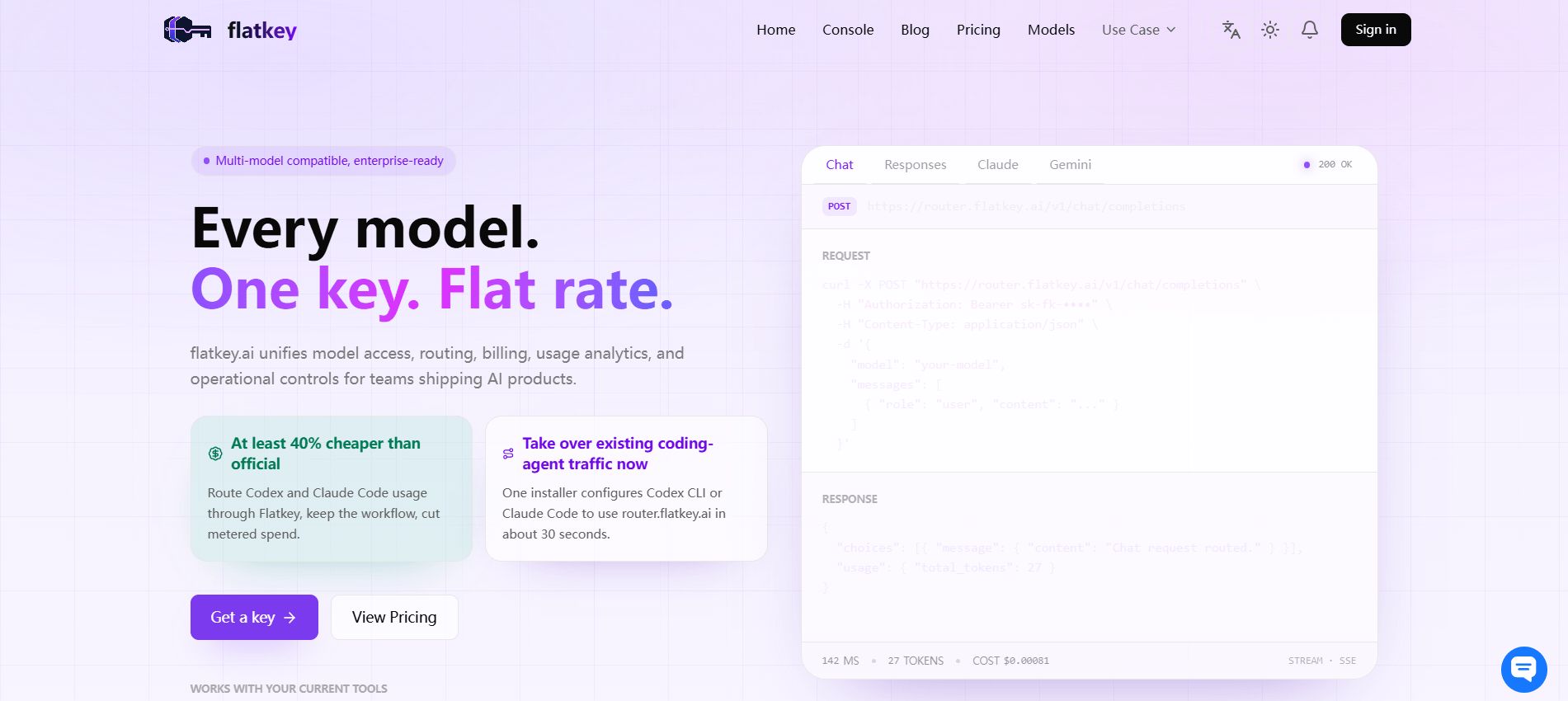
Operationally, one AI API gateway helps with four recurring problems:
- Account sprawl: fewer provider accounts need to be touched during day-to-day app changes.
- Key sprawl: app teams can standardize on gateway keys and a shared key-review process.
- Invoice sprawl: finance can start from one balance or invoice path before drilling into model-level detail.
- Migration sprawl: model routing, fallback, base URL changes, and smoke tests can be handled as a repeatable workflow.
Decision Matrix: Direct Provider Accounts vs AI API Gateway
Use this direct provider accounts vs AI API gateway matrix before deciding where a workload should live.
| Operating Need | Direct Provider Account Advantage | AI API Gateway Advantage | Review Question |
|---|---|---|---|
| Model exploration | Direct consoles may expose provider-native previews, terms, and model-specific settings. | One key and one catalog can make cross-provider testing faster. | Are we evaluating model fit, or negotiating a provider relationship? |
| Production routing | Application code can call the provider directly with full provider-specific control. | Routing, fallback, and model switching can be centralized. | How many apps need the same routing policy? |
| Monthly finance close | Provider invoices may be required for committed contracts or direct procurement. | One gateway invoice path can reduce reconciliation work. | Does finance need one AI spend ledger before provider-level detail? |
| Usage attribution | Provider usage APIs can be the native record for provider-specific spend. | Gateway logs can normalize model, key, route, status, and cost review across providers. | Which system is the incident and cost source of record? |
| Quota and spend control | Provider rate limits, spend limits, budgets, and quota requests remain important. | Gateway quotas can give product teams a shared cap and approval workflow. | Can gateway caps protect the workload, or do provider limits also need changes? |
| Compliance and procurement | Provider contracts, data terms, and security documents may be mandatory. | A gateway can centralize access review and reduce credential spread. | Does the review require provider evidence, gateway evidence, or both? |
Account, Key, and Invoice Sprawl Checklist
The most useful way to compare direct provider accounts vs AI API gateway is to count the objects your team must operate. Fill this checklist before approving a new provider account or moving a route to a gateway.
| Item To Count | Direct Provider Account | One AI API Gateway |
|---|---|---|
| Accounts and projects | One per provider, sometimes one per team, project, region, or environment. | One gateway workspace can front several model routes, with provider accounts handled behind the gateway. |
| API keys | Separate key creation, naming, rotation, and incident response by provider. | Shared key policy, scoped gateway keys, and one place to review application access. |
| Base URLs | Each SDK or app may carry provider-specific endpoints and request shapes. | OpenAI-compatible clients can often point at a gateway base URL while model selection moves to config. |
| Invoices and balances | Separate payment methods, prepaid credits, invoices, exports, and budget alerts. | One balance or invoice path for the gateway, with model-level usage review inside the platform. |
| Usage logs | Provider-native exports may use different fields, timestamps, and group-by dimensions. | Gateway logs can normalize model, key, route, request status, token type, and cost review. |
| Quota changes | Provider-specific quota requests, tier changes, and spend-limit workflows. | Gateway-level caps can protect rollout, but provider quota limits may still matter. |
When Direct Provider Accounts Are The Better Choice
Direct accounts are not a legacy mistake. They are the right answer when the provider relationship is the operational requirement.
Keep direct provider accounts when:
- You have a provider-specific enterprise contract, committed spend, private pricing, or custom terms.
- The workload needs provider-native audit logs, policy evidence, support escalation, or data controls.
- You need direct quota increases, reserved capacity, regional configuration, or model-access approvals.
- Your security review requires provider-console ownership and named provider administrators.
- The application depends on provider-specific APIs, request shapes, or features that a gateway does not expose.
This is the boundary Flatkey content should respect. A gateway can reduce account sprawl, but it does not erase provider responsibility when procurement, compliance, quota, or support requires direct ownership.
When One AI API Gateway Is The Better Choice
One gateway is usually the better fit when the team is already asking operational questions rather than model-discovery questions:
- Why does every team have a different provider account?
- Which keys are live in staging, production, customer batch jobs, and internal tools?
- Why does finance need to reconcile several AI invoices for one product feature?
- Which model route caused this cost spike or error spike?
- Can we change a model without editing every application integration?
- Can we keep one base URL and test GPT, Claude, Gemini, DeepSeek, image, and video models behind it?
That is where direct provider accounts vs AI API gateway becomes a workflow question. If the pain is operating many accounts, keys, invoices, and routing rules, a gateway gives the team a smaller surface to review.
A Practical Flatkey Validation Workflow
Do not move production traffic just because the phrase "one key" sounds clean. Test the operational claims before making the gateway the default path.
- Open Flatkey pricing and confirm the exact model row, endpoint family, availability status, and pricing unit for the workload.
- Create a scoped Flatkey key for one non-critical route.
- Point a staging OpenAI-compatible client at the Flatkey base URL instead of a direct provider base URL.
- Run a known prompt set and record model, response shape, token usage, error behavior, and latency expectations.
- Confirm usage appears in the gateway dashboard with fields the finance and platform teams can review.
- Set a conservative quota or approval limit before expanding traffic.
- Keep the old provider key, base URL, and model ID ready for rollback until the new route is stable.
- Document which provider-level controls still need direct-account ownership.
Pair this workflow with the enterprise AI API gateway checklist when procurement or security is involved. If you are comparing gateway products, use OpenRouter alternatives and LiteLLM alternatives for broader tool and ownership context.
Decision Record Template
Use this template when the team needs a durable direct provider accounts vs AI API gateway decision record.
AI API access decision record
Workload:
Owner:
Environment:
Preferred path: direct provider account, AI API gateway, or hybrid
Provider accounts needed:
Gateway workspace/key needed:
Model routes:
Endpoint families:
Current base URL:
Target base URL:
Billing source of record:
Usage source of record:
Invoice reviewer:
Quota owner:
Provider-native controls required:
Gateway controls required:
Rollback owner:
Review date:
Do not store raw API keys in the decision record. Store key labels, owners, rotation dates, and rollback instructions.
Common Mistakes
- Counting models but not accounts: a long model catalog is useful, but operations fail when account ownership is unclear.
- Calling gateway billing the only source of truth: provider invoices, quota decisions, and support cases may still be required for some workloads.
- Keeping one shared key forever: one gateway does not mean one unscoped key for every app and environment.
- Skipping quota tests: direct provider limits and gateway quotas can both affect production behavior.
- Assuming model IDs are portable: the same SDK shape does not guarantee the same model ID, endpoint support, or feature behavior.
- Not defining rollback: a base URL change should be reversible through configuration, not a code rewrite.
FAQ
What is the difference between direct provider accounts and an AI API gateway?
Direct provider accounts keep API keys, billing, quotas, logs, model access, and support inside each provider's own console and contract path. An AI API gateway centralizes access, routing, usage review, quotas, and billing across multiple providers through one operating layer.
Does an AI API gateway replace provider accounts?
No. In direct provider accounts vs AI API gateway, the gateway reduces day-to-day account and key sprawl, but some workloads still need direct provider accounts for contracts, provider-native logs, quota requests, compliance terms, or support escalation.
When should a team choose direct provider accounts?
Choose direct provider accounts when a workload needs provider-specific procurement, private capacity, custom data terms, native audit logs, direct support, regional configuration, or provider-controlled quota changes.
When should a team choose one AI API gateway?
Choose one AI API gateway when the team wants one base URL, one key workflow, centralized routing, normalized usage logs, quota policy, and a simpler invoice path across multiple model providers.
Can Flatkey help with account, key, and invoice sprawl?
Flatkey is designed for that use case: one API gateway for production AI teams, with model access, routing, billing, usage analytics, operational controls, prepaid top-ups, usage metering, request logs, and one invoice path across providers. Verify current model rows and pricing units on pricing before rollout.
Final Recommendation
The right direct provider accounts vs AI API gateway decision starts with the operating risk. If the risk is provider-specific contracts, native logs, direct support, or quota negotiation, keep a direct provider account. If the risk is account sprawl, key sprawl, invoice sprawl, inconsistent routing, and hard-to-reconcile usage, put the workload behind one AI API gateway.
Flatkey fits teams that want to make the direct provider accounts vs AI API gateway decision practical: get one key, test a scoped route, review usage and cost in one place, and keep provider-native ownership only where the workload truly needs it.
Get a key: start with Flatkey sign-up, then use pricing to verify the exact model row and endpoint family for your first gateway test.