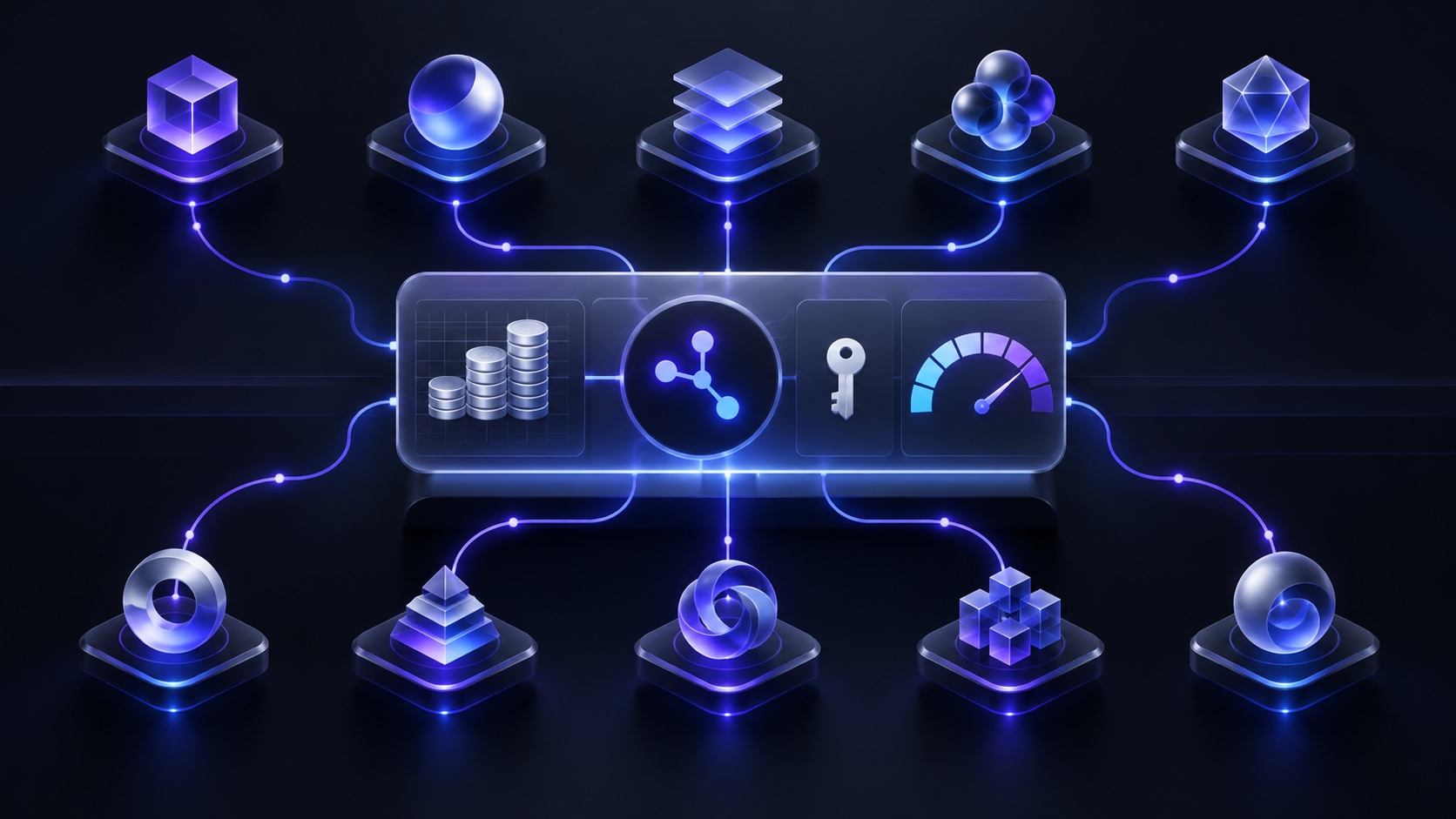
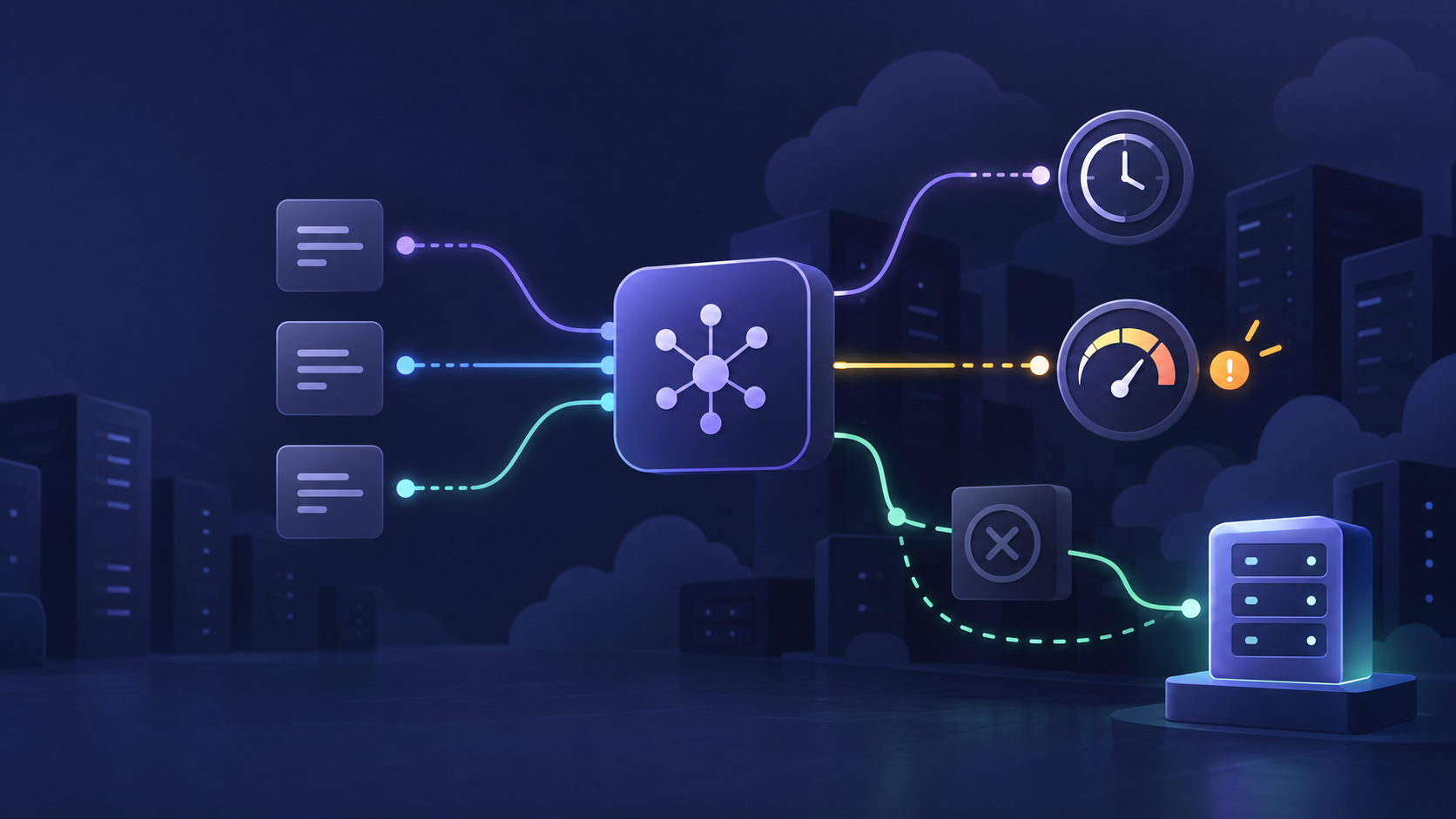
OpenRouter direct provider accounts decisions are rarely just about model access. They are usually about who owns the API key, where usage is visible, how invoices get reconciled, who can change quotas, and which support path gets called when traffic fails.
The OpenRouter direct provider accounts decision becomes harder once a product team uses more than one model family. A direct OpenAI, Anthropic, or Google account can be the cleanest route when you need the native contract, native console, native quotas, and direct vendor support. A gateway can become cleaner when the real pain is scattered keys, separate invoices, inconsistent usage evidence, and too many model access paths for finance or platform teams to review.
This comparison is intentionally narrow. It does not claim that OpenRouter, direct provider accounts, or any other gateway is always cheaper, faster, or more reliable. It focuses on account ownership, billing evidence, key sprawl, BYOK, routing controls, and when a one-invoice AI APIs workflow is worth the gateway layer.
OpenRouter direct provider accounts: the quick answer
Use this OpenRouter direct provider accounts rule first:
| Decision | Prefer a gateway such as OpenRouter when | Prefer direct provider accounts when |
|---|---|---|
| API keys | Multiple apps or teams need one model access surface. | One provider account and one team own nearly all traffic. |
| Billing | Finance wants one credit, usage, or invoice review path across providers. | Procurement requires separate vendor contracts or native provider invoices. |
| Quotas | You want a gateway-level budget or workspace cap above provider limits. | You need provider-native quotas, rate-limit increases, or account-tier control. |
| Routing | You want provider fallback, provider sorting, or a consistent API shape. | You want every call pinned to one provider account without a routing layer. |
| Support | First-line operations can debug from gateway logs and request evidence. | You need direct vendor escalation for capacity, compliance, or account issues. |
| Data policy | A gateway policy layer is acceptable and documented. | Your review requires direct vendor data terms and direct data-boundary evidence. |
The practical answer is often hybrid. Keep direct provider accounts for the vendors where contract, quota, compliance, or support ownership matters. Use a gateway for workloads where the operational value is one API surface, one usage ledger, and fewer account handoffs.
What OpenRouter changes compared with direct provider accounts
OpenRouter's official quickstart describes a unified API that gives access to many AI models through a single endpoint, and its authentication docs show API keys used as Bearer tokens against https://openrouter.ai/api/v1. Its FAQ says users can aggregate billing in one place and review usage analytics. Its workspace docs describe separate environments with scoped API keys, routing defaults, guardrails, observability, members, and budgets.
That means OpenRouter provider accounts are not the same operating model as one direct account per lab. OpenRouter becomes the account surface your app calls first. From there, provider routing, credits, workspaces, management keys, and BYOK settings decide how much control stays at the gateway layer and how much remains tied to the underlying providers.
The important nuance is BYOK. OpenRouter's BYOK docs say you can bring provider keys and use them through OpenRouter's unified interface. They also say using provider keys gives direct control over rate limits and costs via the provider account, while OpenRouter still applies its BYOK routing rules and fee policy. BYOK can reduce SDK and endpoint sprawl, but it does not erase provider account responsibility.
What direct provider accounts keep under provider control
Direct provider accounts keep the provider console as the source of truth. OpenAI's API overview separates application credentials from Admin API keys, and its permissions docs include organization administration, project API keys, project administration, rate limits, usage dashboard export, service accounts, and audit-related workflows. Anthropic publishes Admin API surfaces for API keys and cost reports, and separate rate-limit guidance. Google's Gemini API docs tie API keys and rate limits to Google Cloud projects, and the quota page says rate limits are applied per project rather than per API key.
Those facts matter for AI gateway vs provider accounts evaluations. Direct accounts can be better when your team needs the provider's own project structure, native rate-limit request path, native billing account, enterprise contract, or support escalation. They also make sense when a regulated team wants fewer intermediaries between application traffic and the contracted model vendor.
The tradeoff is operational repetition. Three provider accounts can mean three key-management patterns, three quota models, three billing surfaces, and three usage exports. That is where an OpenRouter direct provider accounts comparison should move beyond model lists and into operating ownership.
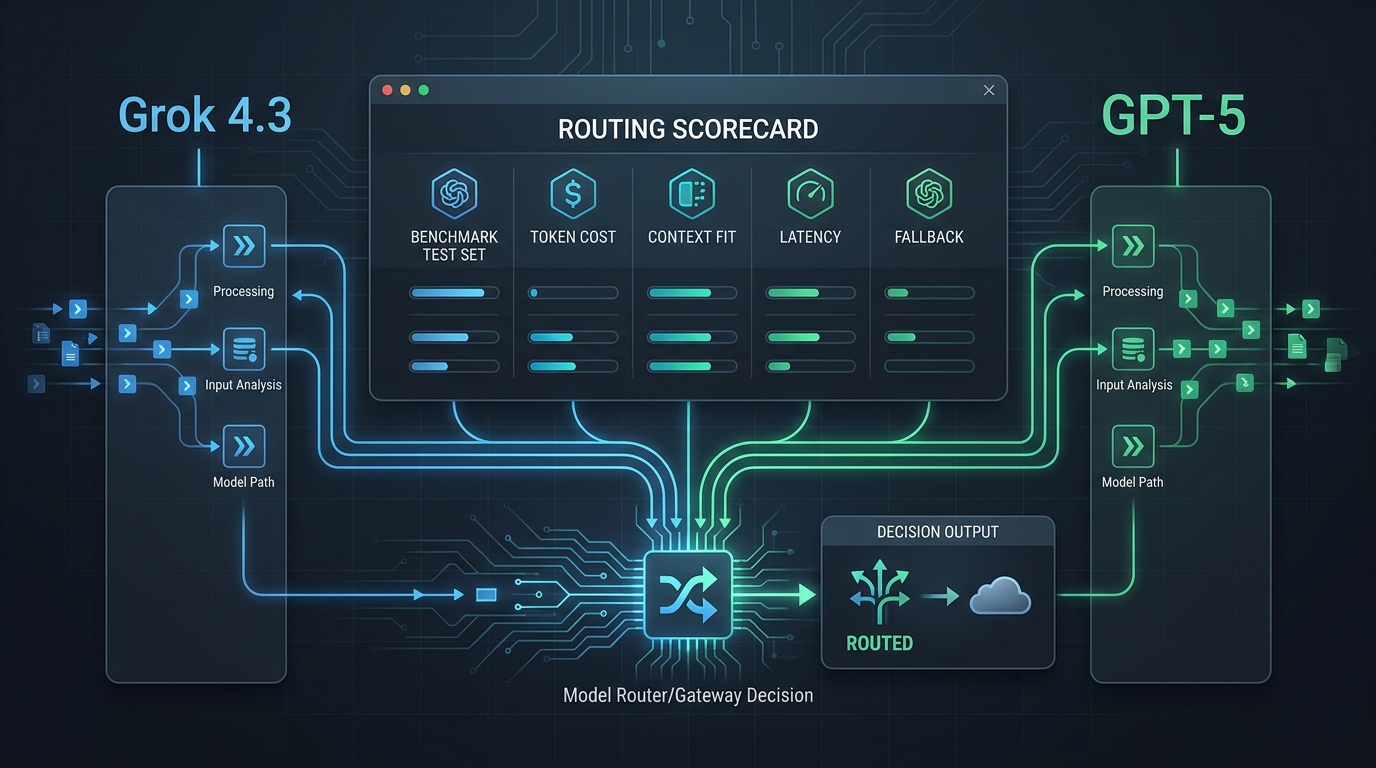
Build an OpenRouter direct provider accounts scorecard
The OpenRouter direct provider accounts scorecard should be filled in by engineering, platform, finance, and procurement together. If only engineering answers it, invoice and support problems show up after launch.
| Question | Gateway pressure | Direct-account pressure | Evidence to collect |
|---|---|---|---|
| How many provider accounts are active? | Three or more vendors, or many model families, push toward a gateway. | One strategic provider can stay direct. | Current provider list, traffic split, model family map. |
| How many production keys exist? | Many app, team, and environment keys push toward one key layer. | A small set of well-owned keys can stay direct. | Key inventory, owner, environment, rotation date. |
| How hard is invoice reconciliation? | Separate credits, invoices, and usage exports push toward one ledger. | Native provider invoices are needed for procurement or tax review. | Invoice samples, usage export fields, owner tags. |
| Who owns quota increases? | Gateway budgets help when internal caps are more important than vendor caps. | Direct accounts help when provider-tier increases are critical. | Rate-limit docs, current tiers, 429 history. |
| Who handles incident support? | Gateway logs help when the platform team owns first response. | Direct accounts help when vendor support is contractual. | Request IDs, support SLA, escalation path. |
| Does BYOK solve enough? | BYOK can keep a gateway interface while preserving provider-key ownership. | BYOK may be unnecessary if the direct route is already simple. | BYOK routing policy, key filters, fallback settings. |
| What data terms apply? | Gateway and provider policies must both pass review. | Direct provider terms may be required. | Terms, DPA, privacy settings, data logging policy. |
For an OpenRouter direct provider accounts review, score each row as low, medium, or high pain. A gateway is easier to justify when key inventory, invoice reconciliation, and support evidence all score high.
When a gateway reduces key and invoice sprawl
Gateway value is clearest when the account problem is bigger than the model problem.
Use a gateway when:
- Product teams need access to several providers but do not need every app to own a separate provider account.
- Finance wants one place to review request cost, model usage, credits, or invoices across providers.
- Platform teams need consistent key rotation, environment isolation, and a single base URL for OpenAI-compatible clients.
- Procurement wants fewer vendor touchpoints for routine model access, even if some strategic vendors stay direct.
- Engineering wants routing controls, fallbacks, provider sorting, or a consistent request format across model families.
- BYOK lets the team keep provider-owned rate limits or discounts while standardizing the application interface.
When the OpenRouter direct provider accounts debate reaches finance, avoid vague claims such as "one gateway is cheaper." Ask a narrower question: would one usage ledger reduce reconciliation work enough to justify the gateway layer?
If invoice cleanup is the main pain, pair this article with Flatkey's AI API invoice reconciliation workflow. That guide gives finance and platform teams a more detailed evidence checklist for one invoice AI APIs reviews.
When direct provider accounts are the better answer
Direct accounts are not a failure case. They are often the right design.
Prefer direct provider accounts when:
- You have one primary provider and minimal cross-provider traffic.
- You need direct vendor contracts, committed capacity, or enterprise support escalation.
- Your security review requires provider-native data terms, audit evidence, or account controls.
- The workload depends on provider-specific features that a gateway may not pass through exactly.
- Your team already has clean key ownership, clear usage exports, and predictable invoices.
- Provider-native quotas, region controls, or billing-account relationships are more important than a single API interface.
This is especially important for teams with mature procurement. A gateway can reduce operational surface area, but it can also add another vendor to approve. If the current direct-account workflow is already simple, measurable, and owned, do not add a gateway just to make the architecture look modern.
Account and invoice ownership matrix
Use this matrix before choosing a route for production traffic.
| Responsibility | OpenRouter-style gateway path | Direct provider account path | Risk if ignored |
|---|---|---|---|
| Application key | Gateway API key or workspace key. | Provider API key, project key, or service account. | Unknown owner during rotation or incident response. |
| Provider key | Shared gateway capacity or BYOK provider key. | Provider key lives directly in the app or secret manager. | Confusion over who can revoke, rotate, or filter the key. |
| Usage ledger | Gateway activity, analytics, credits, and workspace views. | Provider usage dashboards and exports. | Finance cannot tie spend to app, team, or customer. |
| Invoice or credit surface | Gateway credit or invoice path, depending on plan. | Separate provider invoices, credits, or billing accounts. | Duplicate reconciliation work. |
| Quota and budget | Gateway budgets plus underlying provider behavior. | Provider-native rate limits, usage tiers, and budget controls. | 429s appear without a clear owner. |
| Support path | Gateway support first, then provider path if applicable. | Provider support first. | Slow escalation during outages or billing disputes. |
| Data policy | Gateway policy plus provider policy. | Provider policy and direct contract. | Security review misses an intermediary. |
The right answer is the route where every row has an owner. If a row says "someone on platform" or "finance will figure it out," the design is not ready.
A migration workflow that avoids surprises
Do not switch from direct accounts to a gateway in one blind move. Prove the operating model.
- Inventory current provider accounts, app keys, owners, invoices, usage exports, rate-limit history, and support paths.
- Pick one low-risk workload that already uses an OpenAI-compatible client.
- Test the direct route and gateway route with the same prompt set, model alias, streaming mode, tool-call shape, and failure path.
- Save request IDs, response status, model served, token or request usage, cost field, and owner tag.
- Ask finance to reconcile one day of gateway usage against the old provider-account view.
- Keep direct provider keys available until rollback criteria are documented.
- Move higher-risk traffic only after engineering and finance can inspect the same evidence.
For implementation detail, combine this workflow with Flatkey's direct provider accounts vs AI API gateway guide and OpenRouter alternatives comparison. The goal is not to replace every direct account. The goal is to remove account sprawl where the evidence says it is slowing the team down.
Where Flatkey fits if the problem is operations
Flatkey is relevant when your team wants the gateway operating model but is specifically evaluating one key, one balance, usage review, and invoice consolidation. On July 9, 2026, Flatkey's live pricing page described prepaid top-ups, usage analytics and cost controls, and one invoice across providers. The same page said one balance can route across GPT, Claude, Gemini, DeepSeek, image, audio, and video models through one OpenAI-compatible gateway.
Treat those as publish-day product facts, not permanent promises about every route or model. Before production, check the current pricing page, confirm the exact model and endpoint in the dashboard, run a small smoke test, and verify usage readback.
If your OpenRouter direct provider accounts review ends with "we need fewer keys and cleaner invoices," Flatkey is worth testing as a second gateway option. Start with pricing, then get a key and prove one narrow route before you move production traffic.
Common mistakes
| Mistake | Why it causes trouble | Better approach |
|---|---|---|
| Comparing model catalogs only | Catalog access does not answer billing, quota, or support ownership. | Compare account operations and evidence fields. |
| Treating BYOK as "direct account but simpler" | BYOK still routes through gateway rules and can have separate fees or fallback behavior. | Document BYOK priority, filters, fallback, and cost policy. |
| Ignoring provider-native quotas | Gateway budgets do not remove underlying provider constraints. | Track gateway limits and provider limits separately. |
| Assuming one invoice always wins | Some procurement teams need separate vendor invoices. | Ask finance which invoice evidence they actually need. |
| Moving all traffic at once | Hidden feature differences appear under real workloads. | Start with one app, one model family, and one rollback path. |
| Skipping readback | A successful response without usage evidence is not ready for finance. | Verify request logs, usage fields, and invoice mapping. |
FAQ
Is OpenRouter a direct provider account?
No. OpenRouter is a gateway account and API surface. You can use OpenRouter credits, or use BYOK to route through your own provider keys in supported cases. Direct provider accounts remain separate accounts with their own billing, quotas, and support rules.
Does BYOK make OpenRouter the same as direct provider accounts?
No. BYOK can preserve some provider-account control, especially rate limits and cost ownership through the provider account. But traffic still goes through OpenRouter's interface, workspace settings, provider routing behavior, and BYOK policy. Document both layers.
Is a gateway always cheaper than direct providers?
Do not assume that. OpenRouter's FAQ says it passes through underlying provider pricing and charges fees when purchasing credits; BYOK has its own fee policy after a threshold. Direct providers can have discounts, committed-use terms, or enterprise pricing. Compare your real request mix, invoice fees, discounts, retries, and operational labor.
Should every team replace direct provider accounts?
No. Keep direct accounts where direct vendor support, quota control, data terms, or enterprise contracts are more valuable than a single API surface. A gateway is strongest when it removes repeated operational work across several providers.
What should an OpenRouter direct provider accounts test include?
Test one non-streaming request, one streaming request if your app streams, one tool-call or structured-output request if used, one forced error, one usage readback, and one invoice or credit reconciliation check. The test should identify key owner, cost owner, support owner, and rollback route.
The clean OpenRouter direct provider accounts answer is not "gateway" or "direct." It is the operating model with the fewest unowned rows in the matrix. If provider-native contracts and quotas matter most, stay direct. If key sprawl, usage evidence, and invoice reconciliation are slowing the team down, test a gateway with one narrow workload.
Flatkey's role is to make that test concrete: one OpenAI-compatible gateway, one key path, usage analytics, cost controls, and current pricing review. Check pricing, then get a key when you are ready to prove the route with your own traffic.