What Is AI Model Pricing and When Does It Matter?
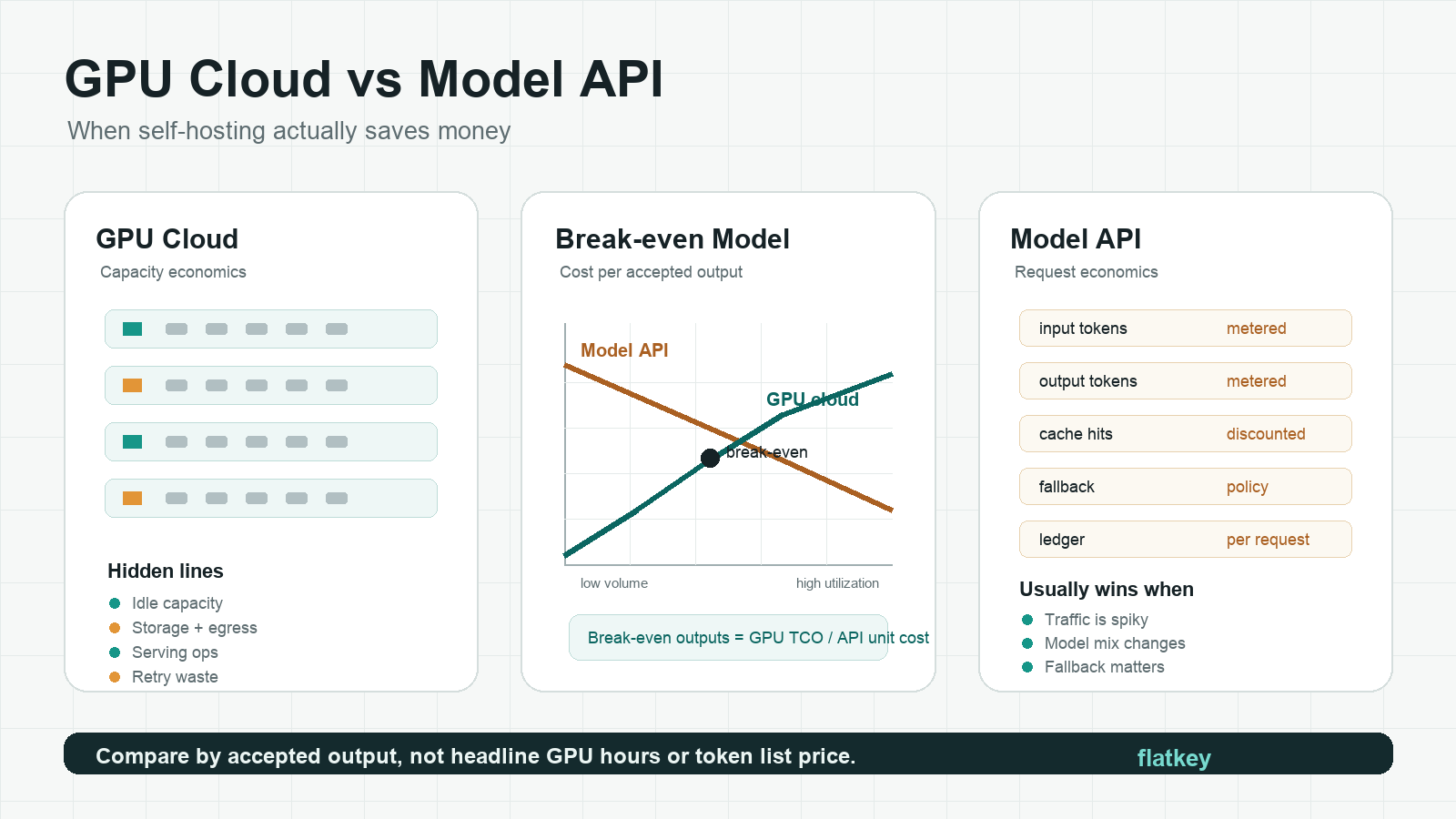
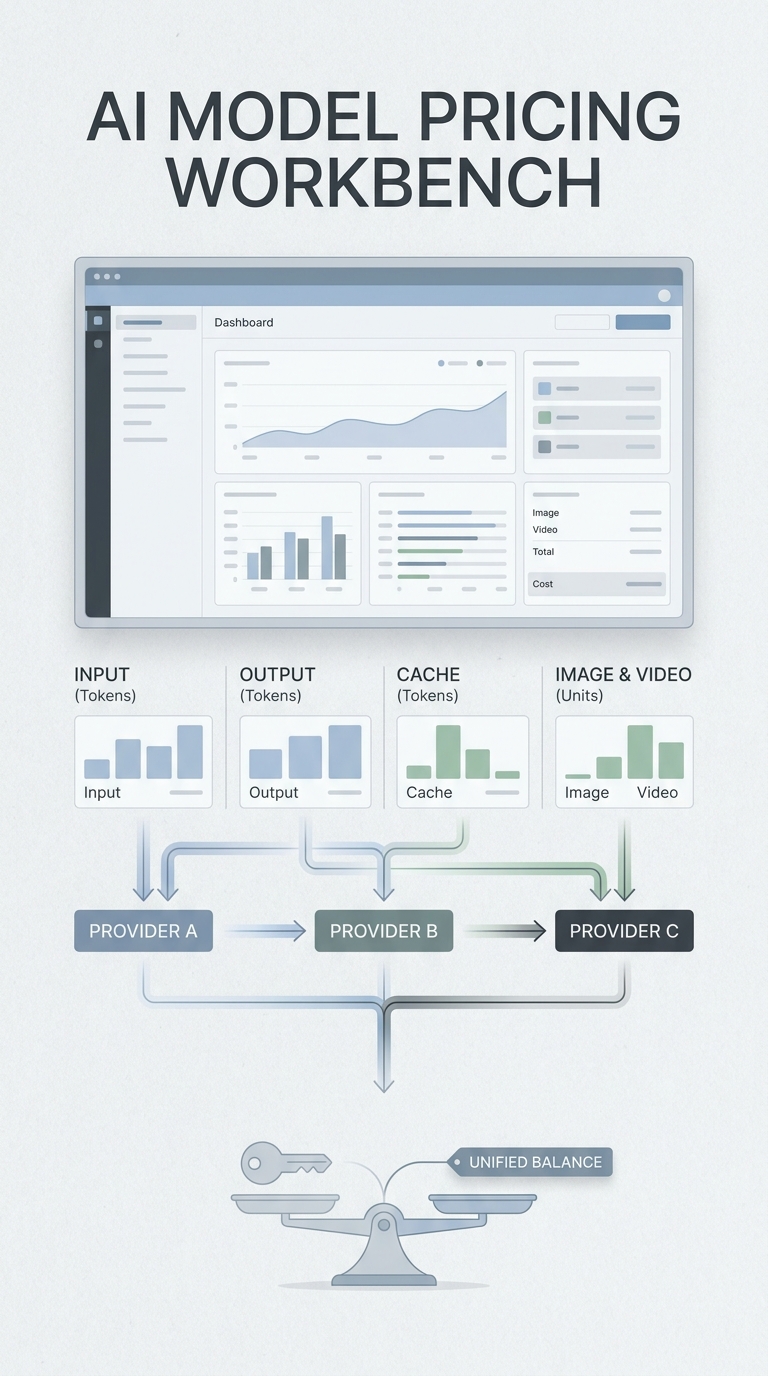
AI model pricing is not one number. It is the mix of input tokens, output tokens, cached input, media units, retry behavior, and the overhead of actually running the workload.
If you only compare the headline rate, you will miss the part that usually changes the bill: cache writes, retries, modality units, and the time it takes to reconcile usage across providers.
## What AI model pricing measures
For text models, price is usually expressed per 1M tokens. That sounds simple until you add cached input and output, then compare it against a different model family that has a different context window or rate structure.
For image and video models, the unit may change entirely. Some models price per image. Others price per second. That means the right comparison is not “which model is cheapest?” but “which unit matches the workload I actually run?”
On Flatkey's current site, the model directory is already organized around that problem: models are grouped and compared by price, context, and speed, and the pricing page packages access into Go, Pro, Max, and Enterprise plans. That is the right mental model for AI model pricing too. The number matters, but only after you know which unit it belongs to.
## Why token price alone is not enough
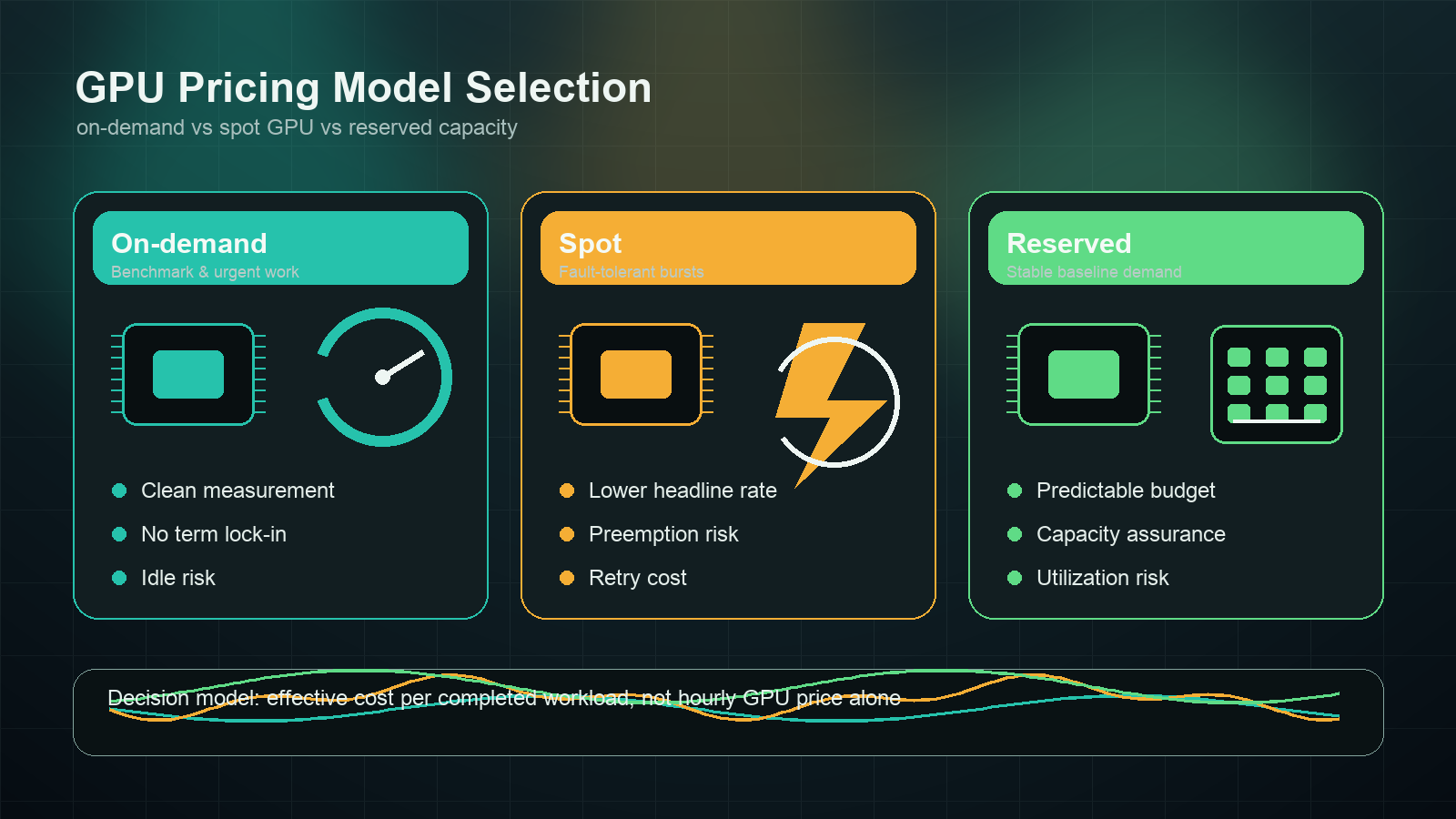
A low input rate can still lose if the workload depends on cached prompts, retries, or high-output responses. The effective cost is the cost of the accepted result, not the cost of the first attempt.
That is why teams should compare:
- input and output rates
- cached-input behavior
- retry and fallback cost
- media-unit pricing
- reconciliation overhead
## When AI model pricing starts to matter
It matters when you are doing any of these:
- moving from experiments to production
- comparing multiple providers for the same workflow
- running high-volume text, image, or video jobs
- managing budgets across teams or environments
- trying to understand why one “cheap” model costs more in practice
It also matters when a team needs one bill across several providers. Flatkey's public positioning is built around one key, one balance, one invoice, and pay-per-successful-call usage. That is a useful answer when AI model pricing has become an operations problem, not just a procurement question.
## When a gateway helps
A gateway helps when you need one key, one balance, one invoice, and a consistent way to compare models across providers.
That matters most when pricing is no longer just a procurement question. At that point it becomes an operational one: routing, fallback, usage visibility, and budget control all sit in the same decision.
If you want the current model surface before you compare providers, use the [model directory](https://flatkey.ai/models). If you want the current packaging and plan framing, use the [pricing page](https://flatkey.ai/pricing). If you want a side-by-side current comparison of actual model rows, use the [AI model pricing comparison](https://flatkey.ai/blog/ai-model-pricing-comparison).
## Buying checklist
Before you choose a model, ask:
1. What unit is the provider charging on?
2. How much of my workload is cache-sensitive?
3. What happens on retries and fallback?
4. Is image or video priced on the same basis as text?
5. Do I need one provider account or one routing layer?
If your answer to question 5 is yes, AI model pricing is no longer just a line item. It is part of architecture.
## Conclusion
AI model pricing matters when the workload becomes real. The cheapest-looking rate is not always the cheapest result. Compare the full workload, not just the front page number.
If you want one place to review models, usage, and billing together, Flatkey is built for that.