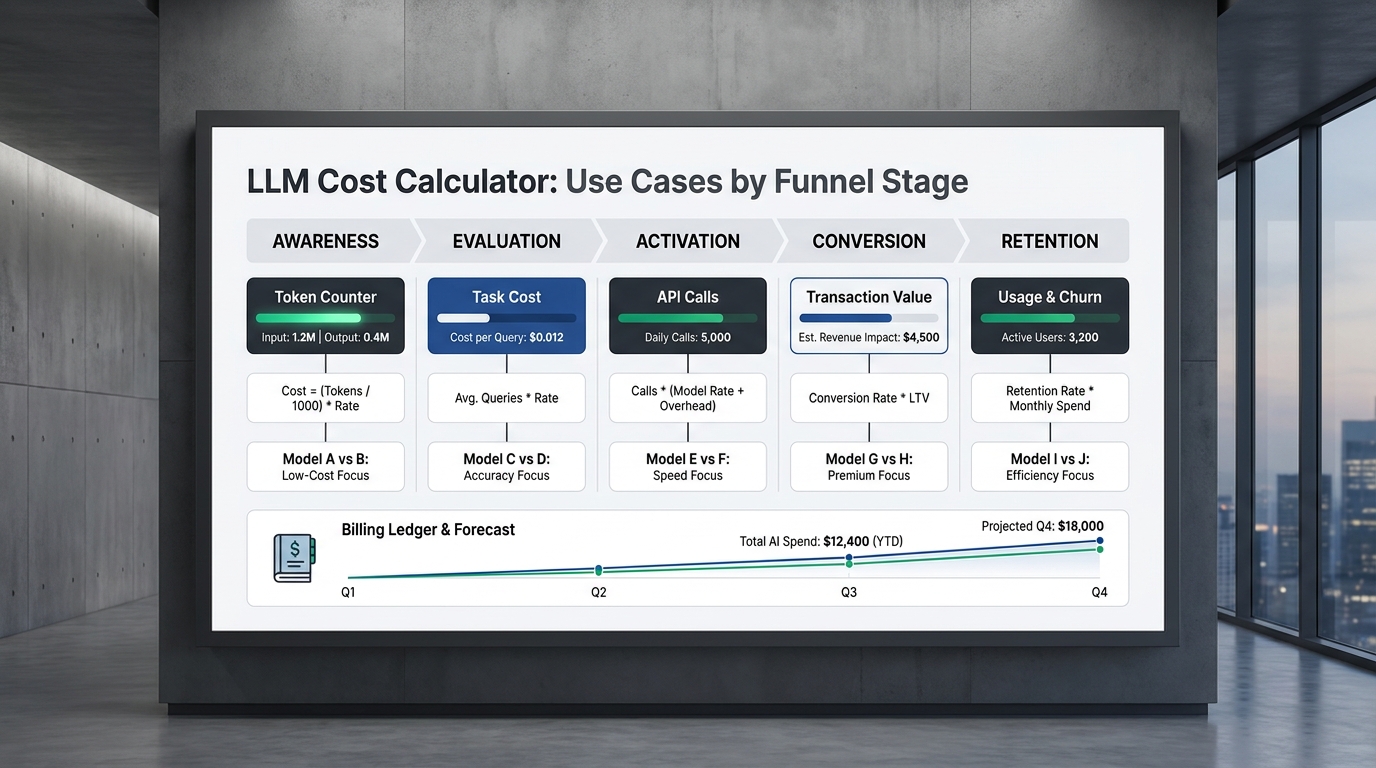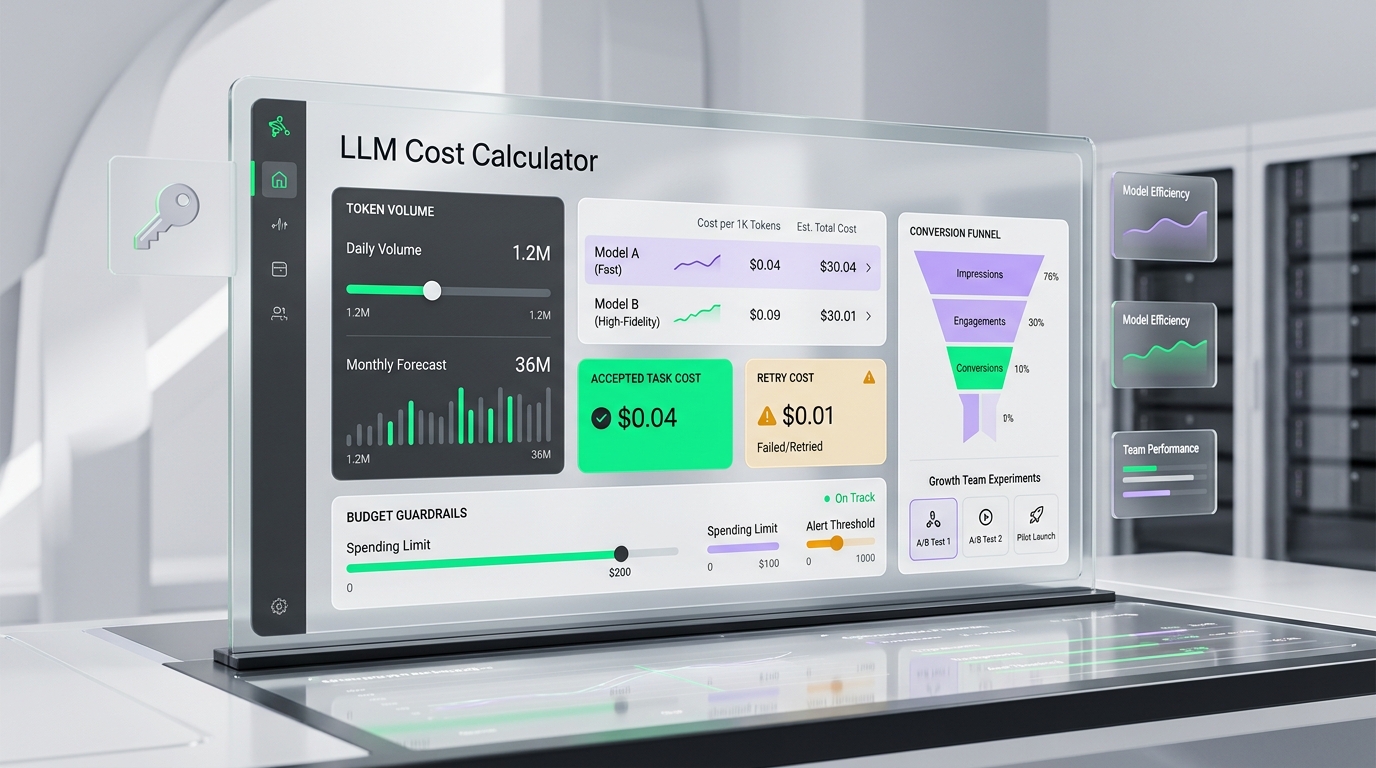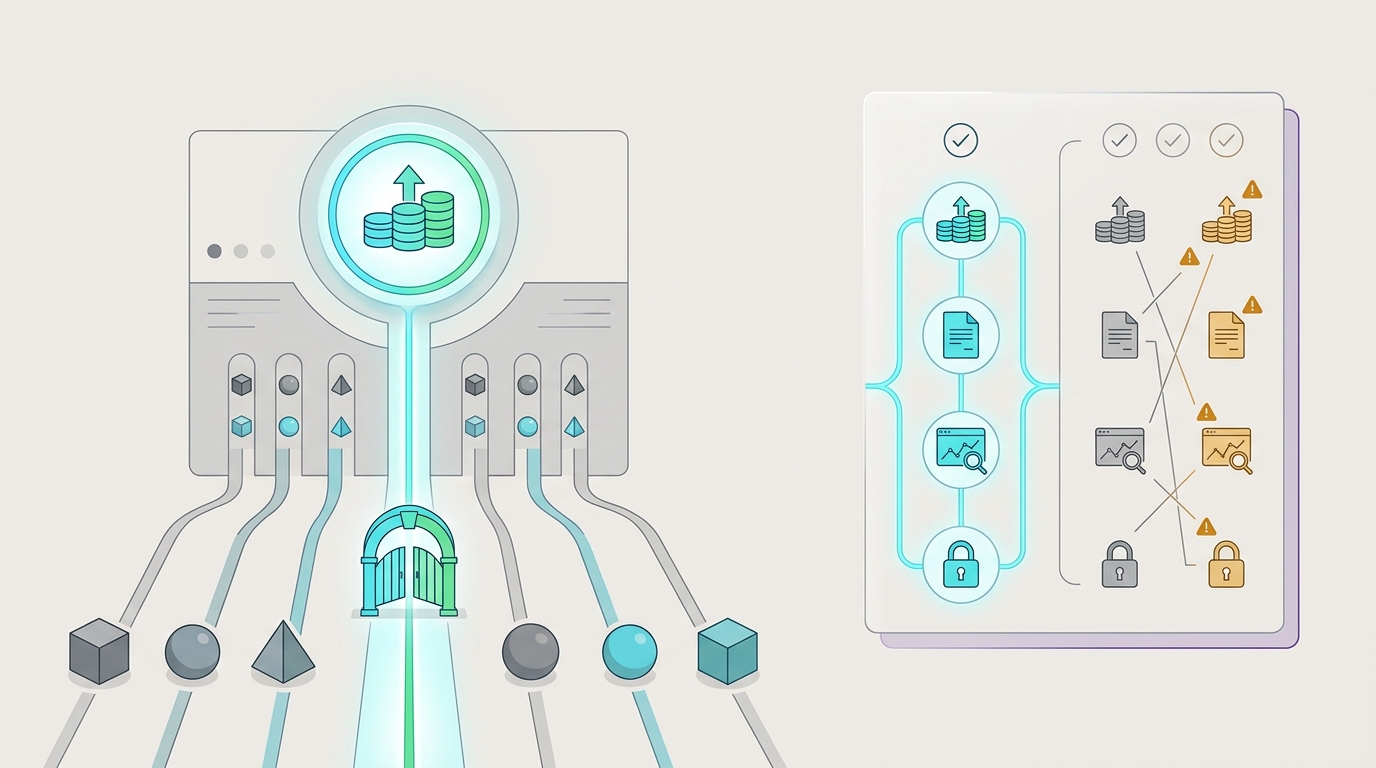
prepaid AI API billing is a balance-first way to operate model spend: add funds once, route usage through a gateway, review consumption in one place, and keep finance from reconciling a separate account for every model provider. Direct provider accounts are the opposite operating pattern: each team opens and maintains its own OpenAI, Anthropic, Google, or other provider account, then manages that provider's billing, limits, invoices, keys, and support path directly.
This comparison was checked on June 17, 2026 Asia/Shanghai against the current Flatkey public home and pricing pages, official Anthropic billing and rate-limit documentation, official Google Cloud billing-budget and quota documentation, and OpenAI usage/cost API reference data from the OpenAI docs MCP. Treat provider billing controls, dashboard labels, model rows, endpoint support, and quota behavior as point-in-time evidence. Verify the current row in Flatkey pricing and the current provider console before production traffic.
Quick Answer: When Prepaid AI API Billing Beats Provider Accounts
prepaid AI API billing is usually the cleaner operating model when the team wants one balance, one invoice path, shared usage visibility, and faster access to multiple model families. Direct provider accounts are usually better when the team needs a provider-specific enterprise contract, direct support escalation, unique safety or data controls, private capacity terms, or deep provider-console ownership.
| Decision Area | Prepaid AI API Billing | Direct Provider Accounts | Best Fit |
|---|---|---|---|
| Finance workflow | One balance and one billing review path across models | Separate statements, credits, invoices, and payment settings by provider | Prepaid when finance wants fewer accounts to reconcile |
| Model access | Gateway catalog access from one account and key system | Provider-by-provider onboarding, approval, and key creation | Prepaid for faster multi-model tests; direct for provider-specific terms |
| Quota control | Gateway-level limits and team visibility in one operating layer | Provider-native rate limits, spend limits, quota requests, and account tiers | Hybrid for production teams that need both |
| Usage logs | Unified request, model, route, and cost review when the gateway exposes those fields | Provider-native usage and cost APIs or dashboards by account/project/key | Prepaid for cross-provider review; direct for provider audit depth |
| Support | Gateway support handles routing, balance, and platform questions | Provider support handles provider-account, capacity, billing, and policy questions | Direct when provider escalation is contractually important |
The practical answer is not "always prepaid" or "always direct." Most growing teams end up with a hybrid: prepaid AI API billing for fast access, cost control, and standard workloads, plus a few direct provider accounts for workloads that need provider-native contracts, compliance review, or quota negotiation.
What Prepaid AI API Billing Changes Operationally
The biggest change with prepaid AI API billing is account ownership. Instead of asking every team to keep a card, invoice contact, provider login, budget limit, and key list current, the team funds one gateway balance and reviews AI usage through one operating layer.
Flatkey's live pricing page checked for this article describes a prepaid balance for top AI models, a starting website package, usage charged by model input, output, and cache-hit token prices, one balance across GPT, Claude, Gemini, DeepSeek, and more, usage analytics and cost control, and one unified invoice for providers. The same page rendered 638 AI models across 23 providers in the public HTML. Those are useful proof points for the commercial promise of prepaid AI API billing, but they are not a substitute for a current row check before production traffic.
In day-to-day operations, prepaid AI API billing changes four review loops:
- Procurement: a team can start with one gateway package instead of opening several provider contracts before the model choice is settled.
- Finance: spend review can start from one balance, one invoice path, and one model-cost export before diving into provider-specific details.
- Engineering: keys, quotas, usage logs, routes, fallback behavior, and pricing units can be reviewed in one operating dashboard when the gateway exposes those fields.
- Support and incident review: usage spikes can be tied to a model route, API key, provider lane, workflow, or customer segment instead of only a provider account total.
Where Direct AI API Provider Accounts Still Matter
Direct AI API provider accounts still matter because provider consoles are the source of record for many provider-native decisions. Anthropic's billing docs say Claude API and Workbench usage is billed with prepaid usage credits, credits must be purchased before API usage, failed requests are not charged, credit usage can be tracked in Claude Console billing settings, and auto-reload can purchase more credits when the balance drops below a configured limit. Anthropic's rate-limit docs also separate spend limits from rate limits and describe organization-level limits, workspace-configurable limits, and account-tier behavior.
Google Cloud's billing documentation covers budgets and budget alerts for Cloud Billing accounts, while its Cloud Quotas documentation explains viewing quota values and usage over time, requesting quota adjustments, subjecting quota increase requests to review, and using quota overrides to cap usage where supported. OpenAI's usage and costs API references expose organization usage and cost reporting with filters such as API key IDs and grouping by project, API key, model, line item, batch, or service tier depending on the endpoint.
These direct-provider controls show the boundary that prepaid AI API billing should not overclaim. A unified gateway can reduce account sprawl and normalize billing review, but it does not remove every provider-level responsibility. Teams still need provider review for:
- Contract terms: private pricing, committed spend, data terms, indemnity, support response, or enterprise security addenda.
- Provider quotas: account tier, regional availability, model-specific request limits, and quota increase requests.
- Policy review: provider safety review, abuse controls, model access approval, or regulated workload approval.
- Native logs: provider-side audit trails, org-level cost APIs, project/account spend alerts, and provider incident records.
- Capacity planning: priority tier, reserved capacity, batch pricing, latency commitments, or direct provider escalation.
Comparison Matrix: Prepaid Balance vs Direct Provider Ownership
Use this matrix before deciding whether prepaid AI API billing, direct provider accounts, or a hybrid model should own a workload.
| Operating Need | Prepaid AI API Billing Advantage | Direct Provider Account Advantage | Review Question |
|---|---|---|---|
| Testing several model families | One funded balance and one access layer can reduce setup friction | Direct accounts expose provider-native model lists, terms, and preview access | Are we choosing a model or negotiating a provider commitment? |
| Monthly finance close | Unified AI API billing can reduce invoice and card sprawl | Provider statements may be required for direct contractual commitments | Does finance need one gateway invoice, provider invoices, or both? |
| Usage attribution | Gateway logs can normalize model, route, key, cost, and owner review | Provider APIs can expose provider-native project, key, model, and line-item data | Which source is the audit record for incidents and customer cost allocation? |
| Quota and spend controls | Gateway quotas can make team-level controls easier to apply across routes | Provider limits decide what the provider account can actually call | Can one gateway cap protect us, or do we need provider quota changes too? |
| Support escalation | One gateway support path covers routing, billing balance, logs, and integration questions | Provider support covers native account status, direct policy review, and capacity escalation | Who must answer when a production request fails at the provider layer? |
| Compliance review | A gateway can centralize operational controls and reduce credential sprawl | Provider documents and contracts may still be required by procurement | Does the review require gateway controls, provider controls, or both? |
How To Test Prepaid AI API Billing In Flatkey
Flatkey's public positioning says it unifies model access, routing, billing, usage analytics, and operational controls for teams shipping AI products. Its public pricing page checked on June 17, 2026 shows the commercial proof path for prepaid AI API billing: prepaid balance, one key, one balance across multiple provider families, usage analytics and cost control, and server-rendered model pricing.
A practical Flatkey validation path should look like this:
- Open Flatkey pricing and verify the exact model row, provider, endpoint type, availability state, group, pricing unit, and input/output/cache-hit fields.
- Confirm whether the workload belongs on a shared prepaid balance, a separate team balance, or a direct provider account for contract or quota reasons.
- Create scoped keys for the workload, then pair the rollout with the per-key AI usage tracking guide so staging, production, batch, and customer traffic do not collapse into one spend line.
- Set conservative caps using the AI API quota management checklist before allowing high-cost models, long context, image generation, video generation, or fallback-heavy routes.
- Run a low-risk smoke test for each route and review the dashboard fields your team will use for model, key, status, usage unit, cost, and error review.
- Keep a direct-provider review note for any route that needs provider-native quota adjustment, enterprise contract review, special data handling, or support escalation.
This test keeps prepaid AI API billing useful without pretending it replaces provider due diligence. The gateway can simplify operations, but production teams still need a source-of-record decision for each high-value model route.
Decision Workflow: Prepaid, Direct, Or Hybrid
For most teams, the right question is not whether prepaid AI API billing or direct provider accounts are universally better. The better question is which operating risk matters most for a specific workload.
| Choose This Path | When It Fits | What To Document |
|---|---|---|
| Prepaid gateway first | Prototyping, multi-model evaluation, internal tools, standard production routes, or teams that need fast spend visibility | Balance owner, key scope, route owner, model row, pricing unit, quota policy, and invoice reviewer |
| Direct provider first | Dedicated enterprise contract, private capacity, provider-specific compliance, model access approval, or direct support requirement | Provider account owner, billing account, project, API key policy, provider quota limits, support path, and contract owner |
| Hybrid | Most mature production stacks: gateway for normalized routing and cost review, direct provider accounts for source-of-record controls | Which system owns billing, which owns incident evidence, which owns quota changes, and when traffic moves between them |
Procurement Checklist For Unified AI API Billing
Before moving a production workload onto prepaid AI API billing, finance, platform, and security should agree on a short operating record.
Prepaid AI API billing decision record
Workload: feature, team, customer segment, or batch job
Preferred billing path: prepaid gateway, direct provider, or hybrid
Balance owner: finance, platform, team lead, or customer workspace
Model routes: provider, model row, endpoint family, group, fallback route
Usage units: input tokens, output tokens, cache-hit tokens, request units, image units, video units
Quota policy: soft alert, hard cap, approval owner, over-limit product behavior
Invoice path: unified gateway invoice, provider invoice, or both
Provider review needed: contract, quota, data policy, safety review, or support escalation
Incident source of record: gateway logs, provider logs, or both
Review cadence: launch day, weekly operations, monthly finance, quarterly procurement
Do not store raw API keys in this record. Keep non-secret key labels, owners, and review paths so finance and engineering can use the same artifact.
Common Mistakes
- Confusing balance control with quota control: a prepaid balance controls spend exposure, but model and request limits still need route-level and provider-level checks.
- Skipping pricing-unit review: token, cache-hit, request, image, and video units are not interchangeable. Use the AI model pricing comparison when normalizing costs.
- Assuming direct provider accounts are always cheaper: direct accounts may have custom terms, but they also add account management, invoices, key sprawl, quota requests, and support ownership.
- Assuming prepaid is always enough: a team may still need provider-native logs, provider status, contract review, data terms, and quota escalation.
- Putting all teams on one key: unified billing is clearer only when keys and tags still separate owners, environments, and customer traffic.
- Not defining the source of record: decide whether finance, support, incident response, and procurement should trust gateway logs, provider logs, or both.
FAQ
What is prepaid AI API billing?
prepaid AI API billing is a model where a team funds a balance before or during API usage, then usage draws down from that balance according to model, token, request, image, video, or other metered units. In a gateway model, the same balance can support multiple model providers through one access layer.
How is prepaid AI API billing different from direct provider accounts?
prepaid AI API billing centralizes balance management, usage review, and invoice review in one gateway or billing system. Direct provider accounts keep billing, API keys, quotas, usage logs, support, and account policy inside each provider's own console and contract path.
Does unified AI API billing replace provider-level review?
No. Unified AI API billing can reduce account sprawl and make cross-provider cost review easier, but production teams may still need provider-level review for enterprise terms, native quota limits, support escalation, safety review, and provider-side usage records.
When should a team keep direct AI API provider accounts?
Keep direct AI API provider accounts when a workload needs a provider-specific contract, private capacity, custom compliance terms, direct support, native audit logs, regional configuration, or quota escalation that cannot be delegated to a gateway.
What should I verify before using prepaid billing for production AI APIs?
Verify the current model row, endpoint family, pricing unit, balance policy, quota behavior, key scope, usage log fields, invoice path, support path, and provider fallback plan. For Flatkey, start with pricing, then pair the rollout with the enterprise AI API gateway checklist.
Final Recommendation
Use prepaid AI API billing when the operational problem is account sprawl: too many provider logins, invoices, key owners, pricing pages, and cost exports for a team that mostly needs reliable multi-model access. Keep direct provider accounts when the operational problem is provider-specific: contract terms, quota review, native logs, compliance, support, or capacity.
For most production teams, the pragmatic answer is hybrid. Start with unified billing and prepaid balance for standard model routes, then document where provider-level ownership still matters. That gives engineering a simpler access layer, finance a clearer spend review path, and procurement a defined place to escalate when a workload outgrows gateway-only review.
View Pricing: use Flatkey pricing to verify current model rows, endpoint types, usage units, and balance terms before deciding whether prepaid AI API billing or direct provider accounts should own the next workload.