
AI Gateway Architecture
Latest articles in AI Gateway Architecture.
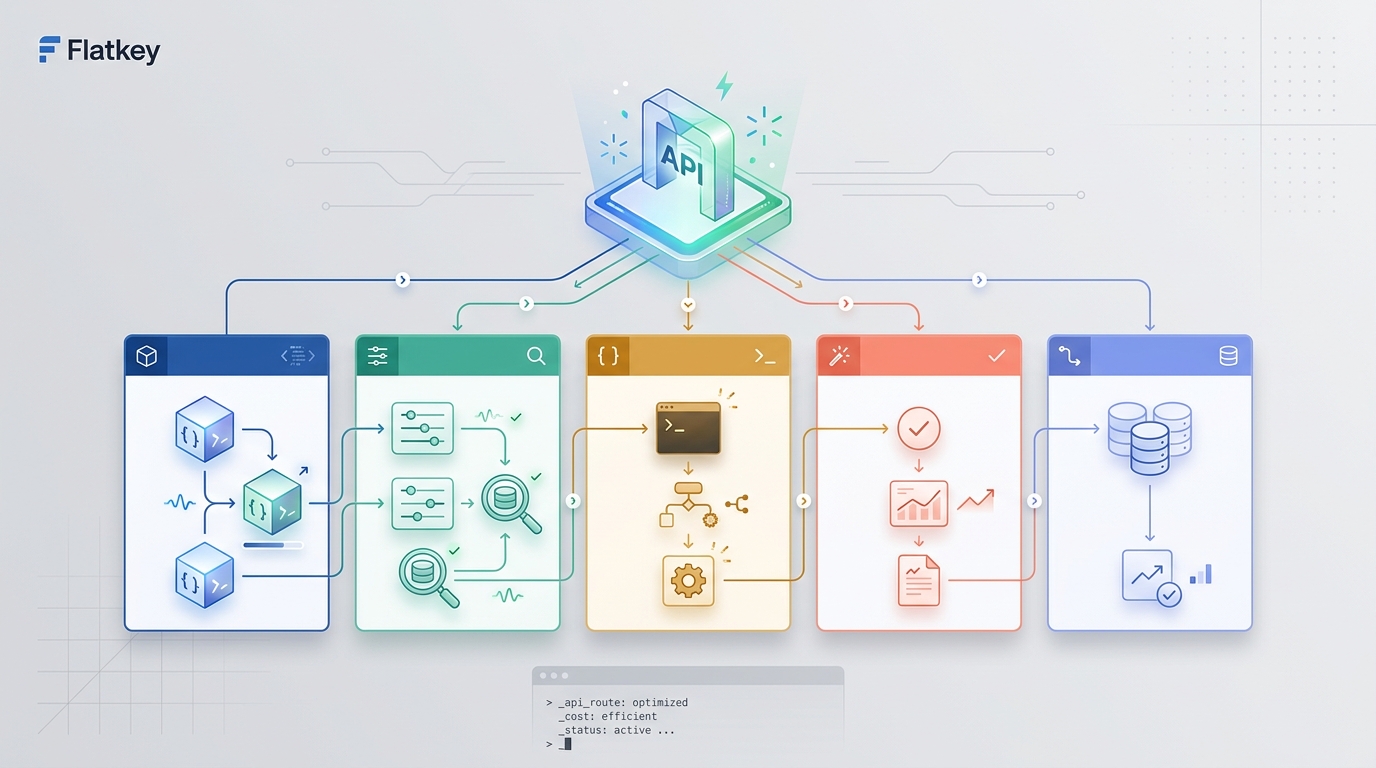
AI API Use Cases by Funnel Stage: A Practical Guide for Teams
Map AI API use cases to awareness, evaluation, activation, conversion, retention, and operations with practical workflows and metrics.

What Is an LLM API and When Does It Matter?
A practical guide to what an LLM API does, where it matters, and when a gateway becomes useful for routing, billing, and model access.
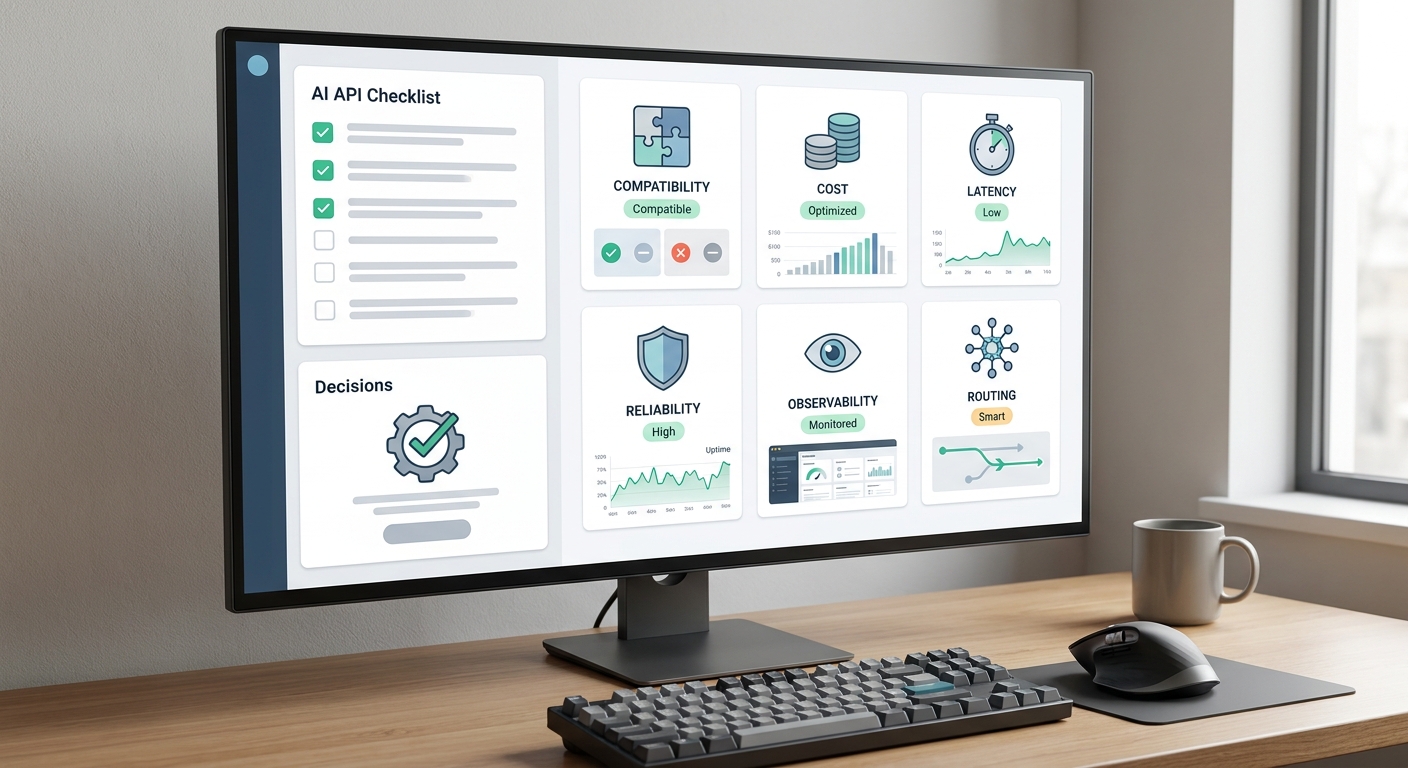
AI API Checklist for Faster Decisions
Use this AI API checklist to compare compatibility, task success, reliability, cost, observability, and governance before you commit to a route.
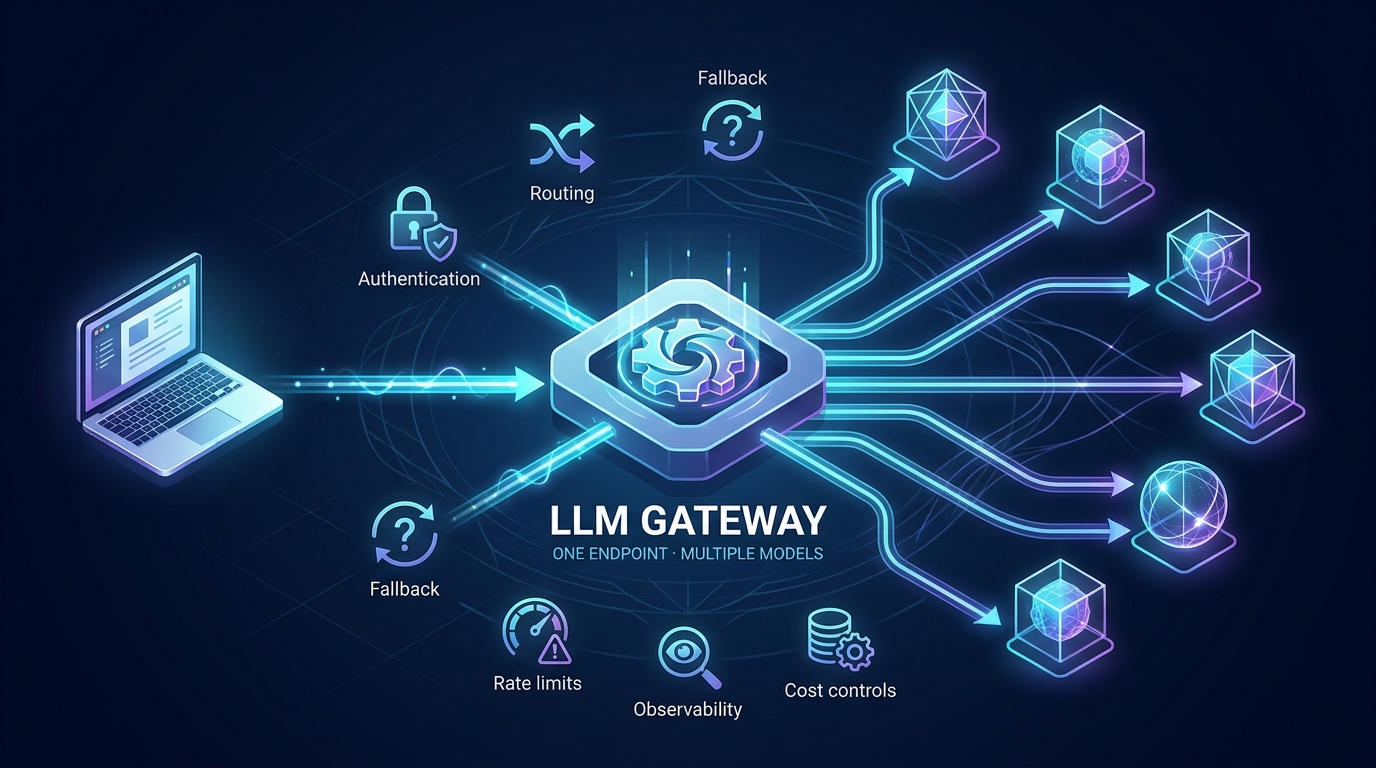
LLM Gateway Beginner Guide: From First Request to Production
A practical LLM gateway beginner guide with a quickstart, first-100-requests lab, error map, build-versus-buy scorecard, and production rollout checks.

What Is an LLM Gateway? A Beginner’s Guide
Learn how an LLM gateway centralizes model access, routing, fallback, rate limits, observability, security, and billing for AI applications.
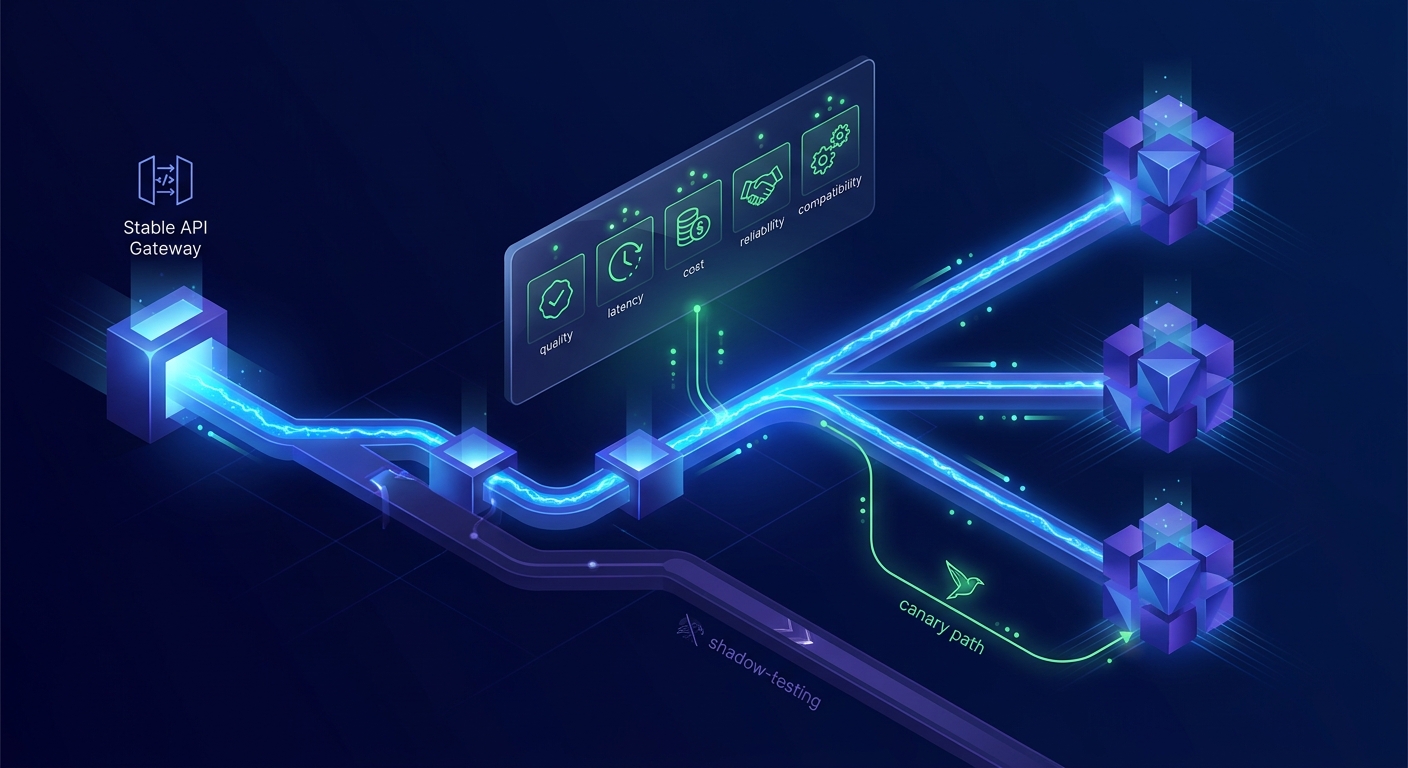
AI Model Evaluation Before Switching API Providers: A Workflow Checklist
Use a decision-grade AI model evaluation workflow to compare providers on task success, compatibility, reliability, latency, effective cost, and rollout risk.

AI API Gateway Architecture: One Key, Model Routing, and Failover
A production architecture guide to one-key model access, explicit routing policy, health checks, retries, contract-safe failover, streaming, telemetry, and migration.
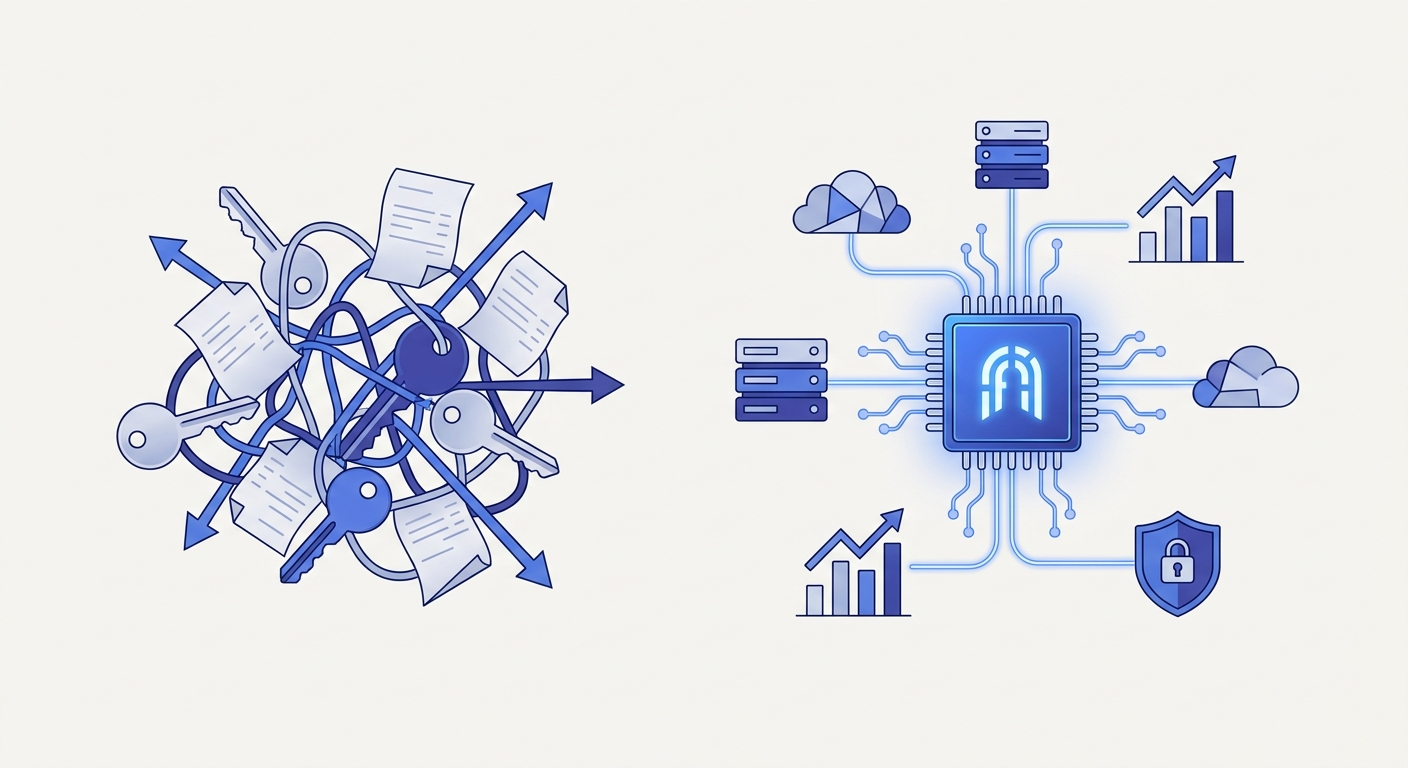
AI API Gateway Architecture: One Key, Model Routing, and the End of Provider Account Sprawl
See how AI API gateway architecture helps small teams replace scattered provider keys, fragmented billing, and inconsistent model routing with one reviewable access layer.
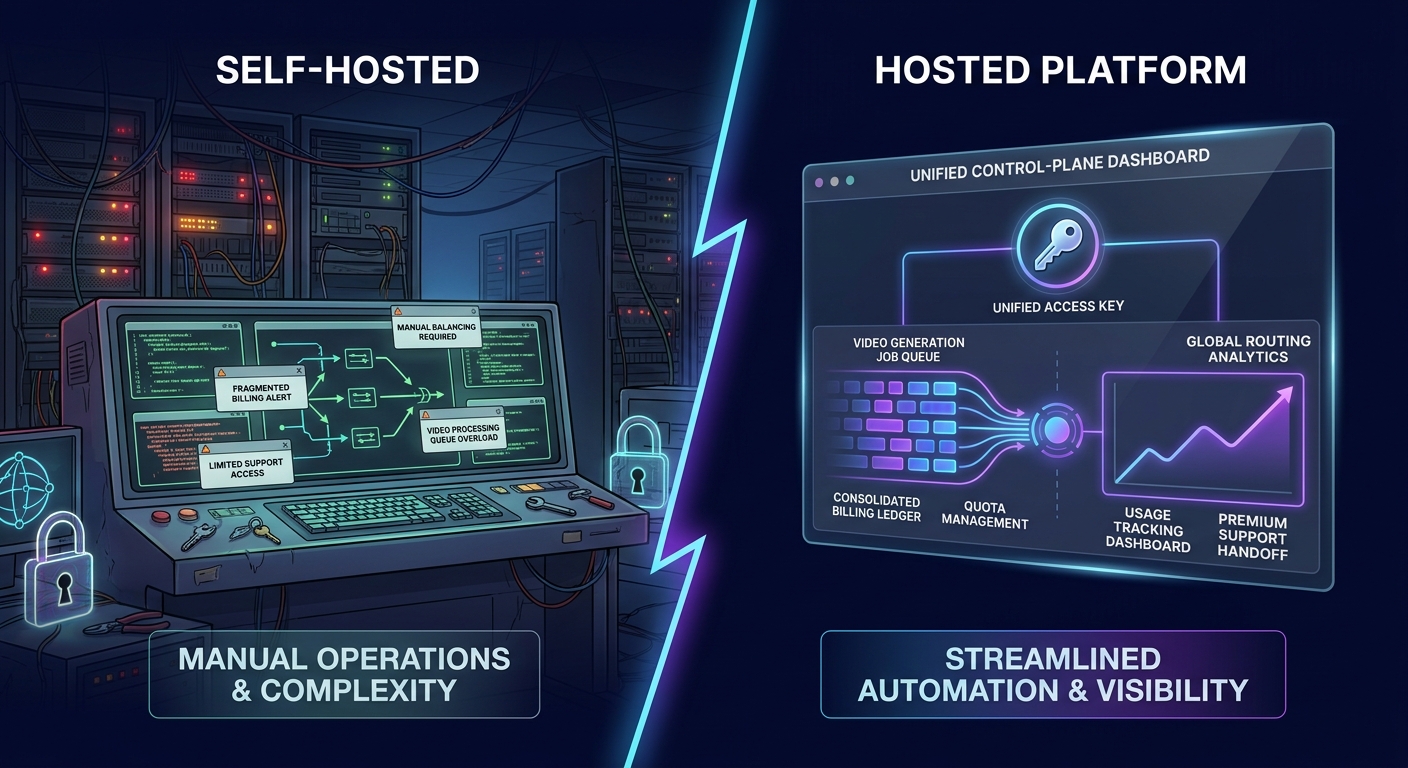
Seedance API for text-to-video product teams: when an open-source AI API gateway is not enough
Use this Seedance API guide to decide when an open-source AI API gateway is enough and when hosted routing, billing, and team controls save time for text-to-video products.

Flatkey vs Direct Provider Accounts for Multi-Model Products
If your product already depends on more than one model family, the real decision is not “gateway or no gateway” in the abstract. The real decision is whether direct provider accounts are still simple enough, or whether t

OpenAI Compatible API Gateway: Migration Checklist for Minimal Code Changes
If your team already uses the OpenAI SDK, an **openai compatible api gateway** is appealing for one simple reason: you can often keep your client pattern, switch the **base URL**, and move model choice plus access policy

Unified AI API: When One Access Layer Beats Separate Provider Accounts
A **unified ai api** gives a product team one key, one endpoint pattern, and one control surface for multiple model providers. In practice, that means fewer provider dashboards, fewer scattered API keys, and fewer one-of
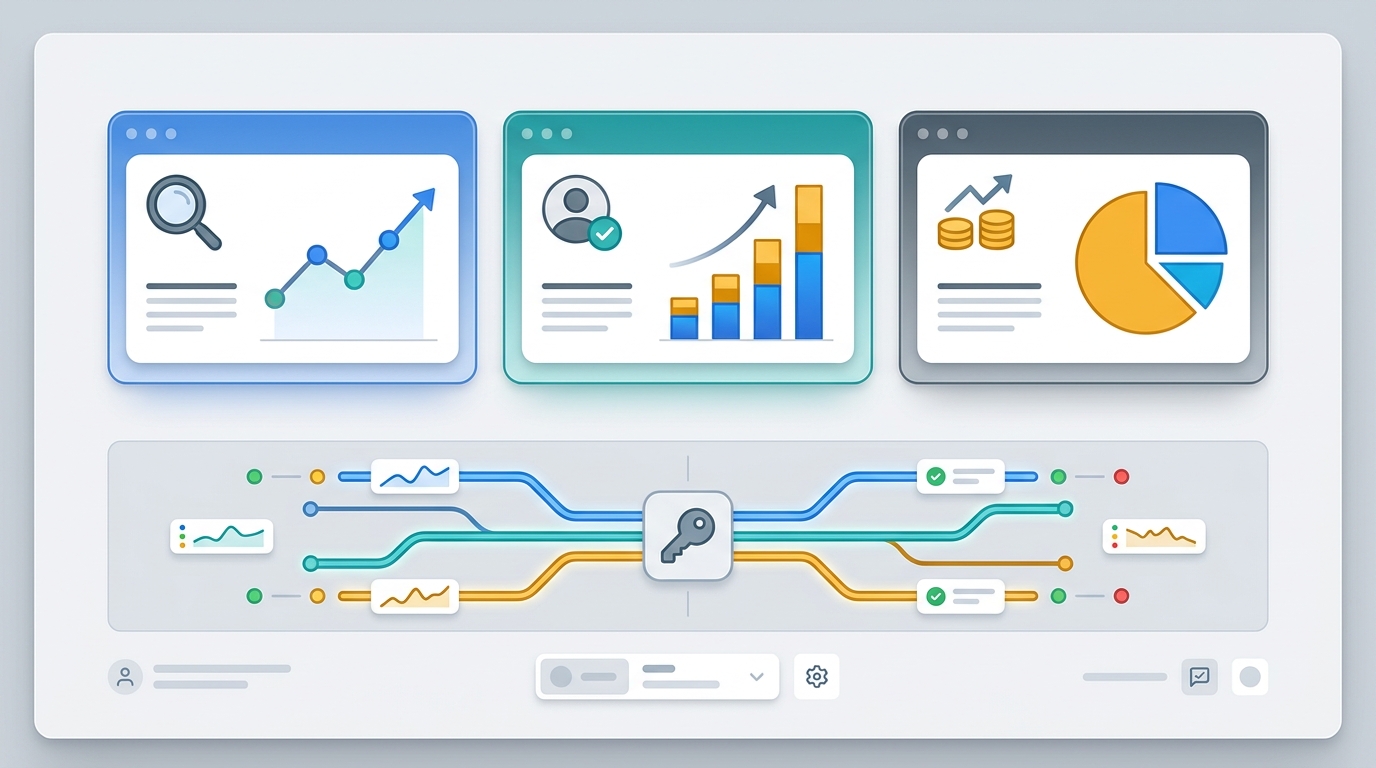
AI gateway KPI dashboard: SEO, Product, and Revenue Signals
A practical architecture guide for building an AI gateway KPI dashboard that joins SEO demand, product activation, routing reliability, cost, revenue, and evidence freshness.
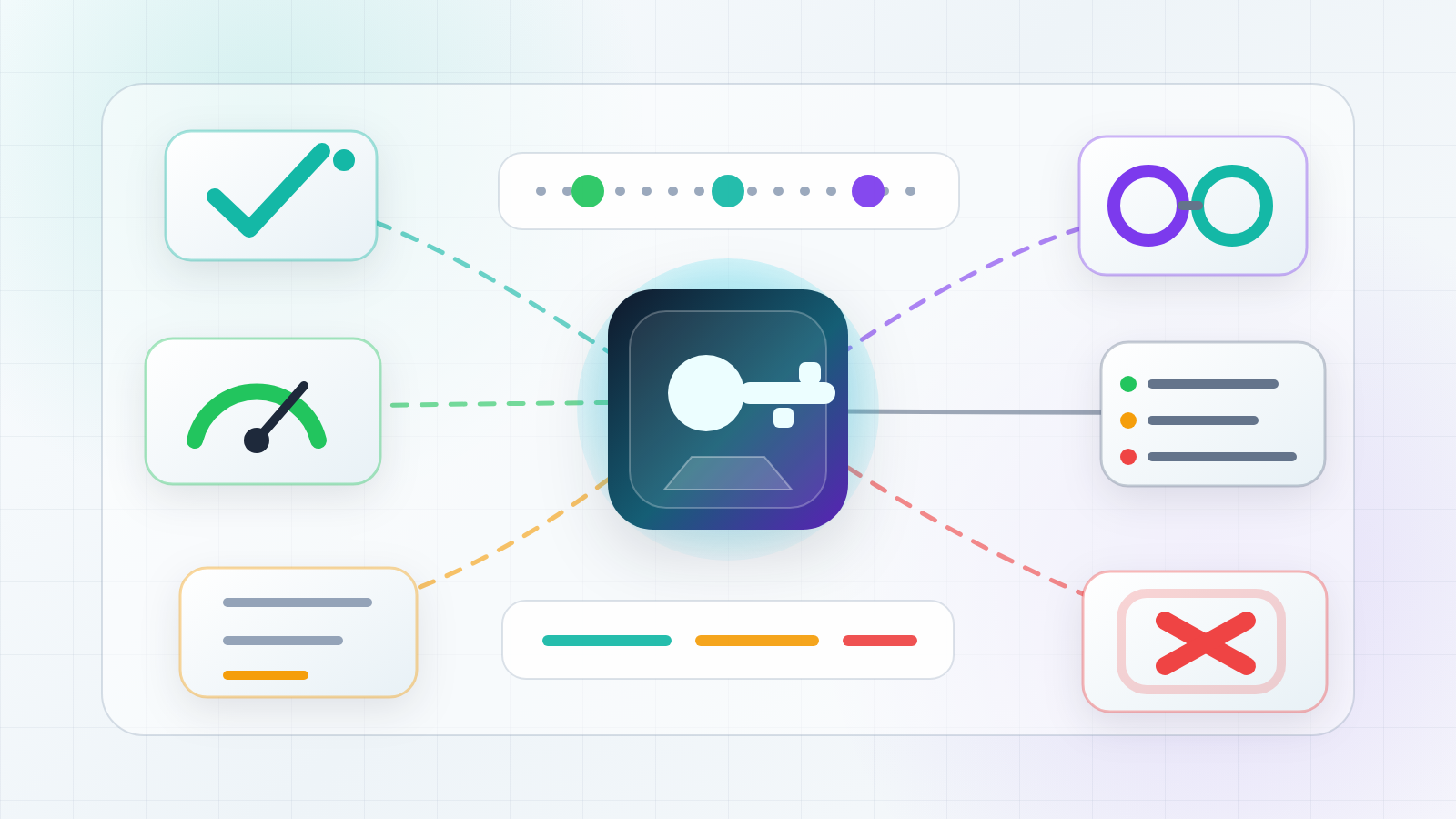
AI Agent Gateway Controls: Tool Use, Budgets, Logs, and Stop Conditions
Use AI agent gateway controls to govern tool access, budgets, request logs, fallback behavior, and stop conditions before agents reach production.
Context Window Routing: Pick Models by Prompt Size Without Losing Cost Control
Use context window routing to choose retrieval, compaction, caching, or long-context models by prompt size while keeping AI gateway costs reviewable.
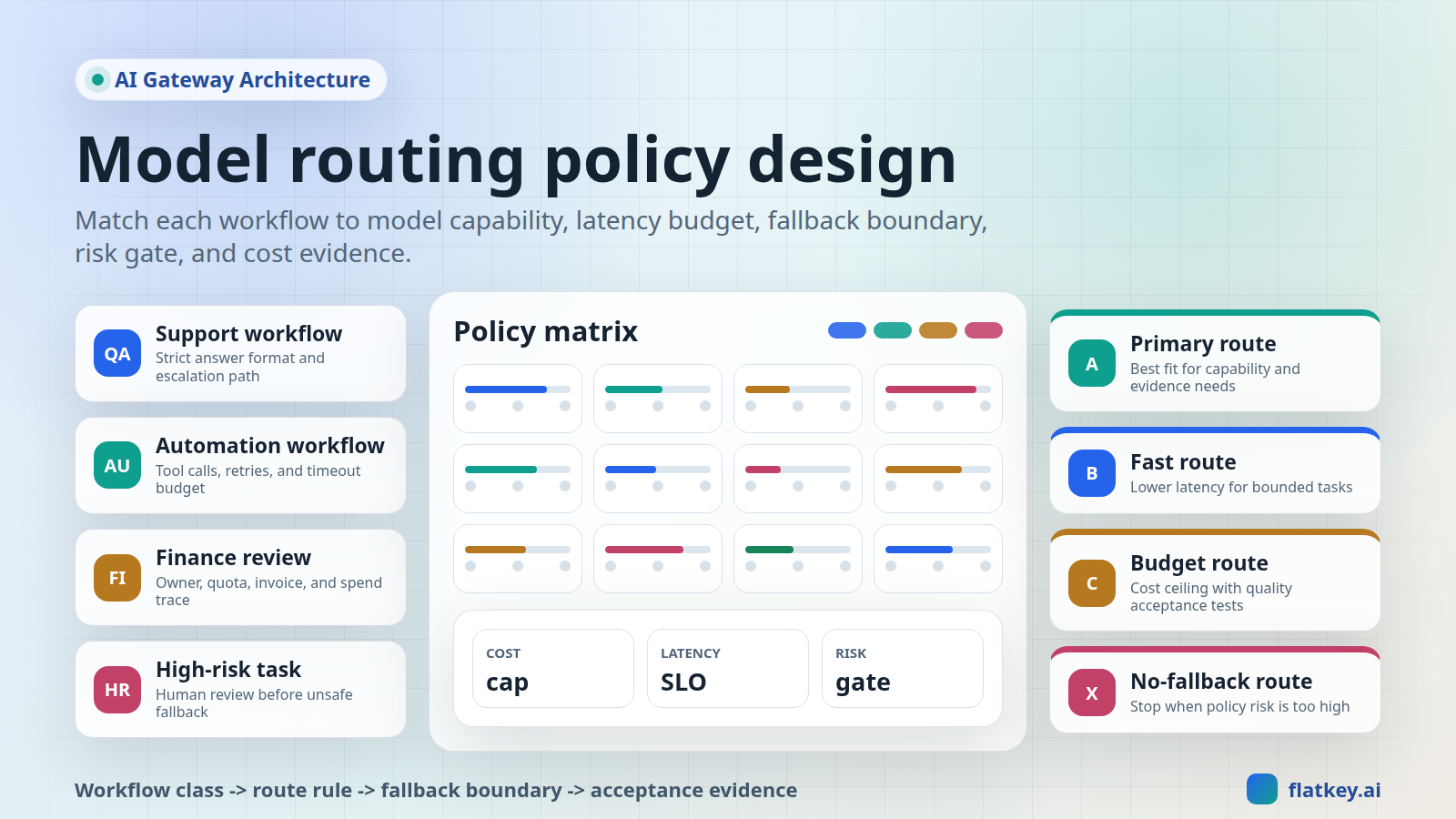
Model Routing Policy Design: Match Model, Cost, Latency, and Risk to Each Workflow
Design a model routing policy that maps AI workflows to model routes, fallback rules, cost ceilings, latency SLOs, risk gates, and evidence checks.
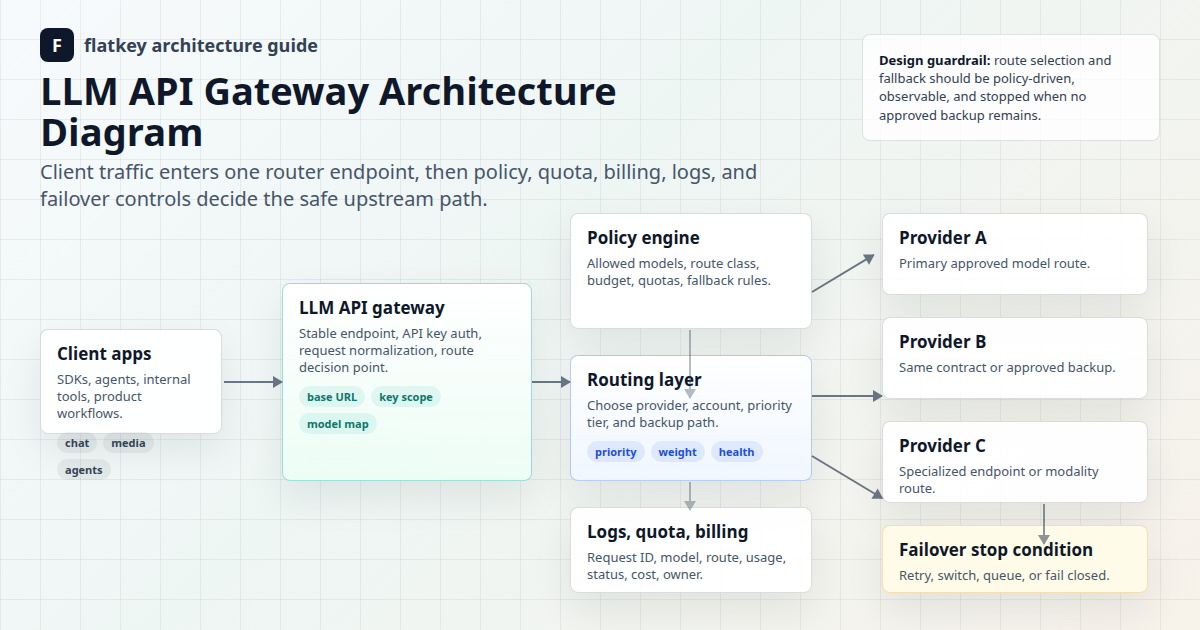
LLM API Gateway Architecture Diagram for Multi-Provider Routing and Failover
Use this LLM API gateway architecture diagram to map client apps, policy checks, routing, provider failover, quotas, billing, logs, and Flatkey setup.
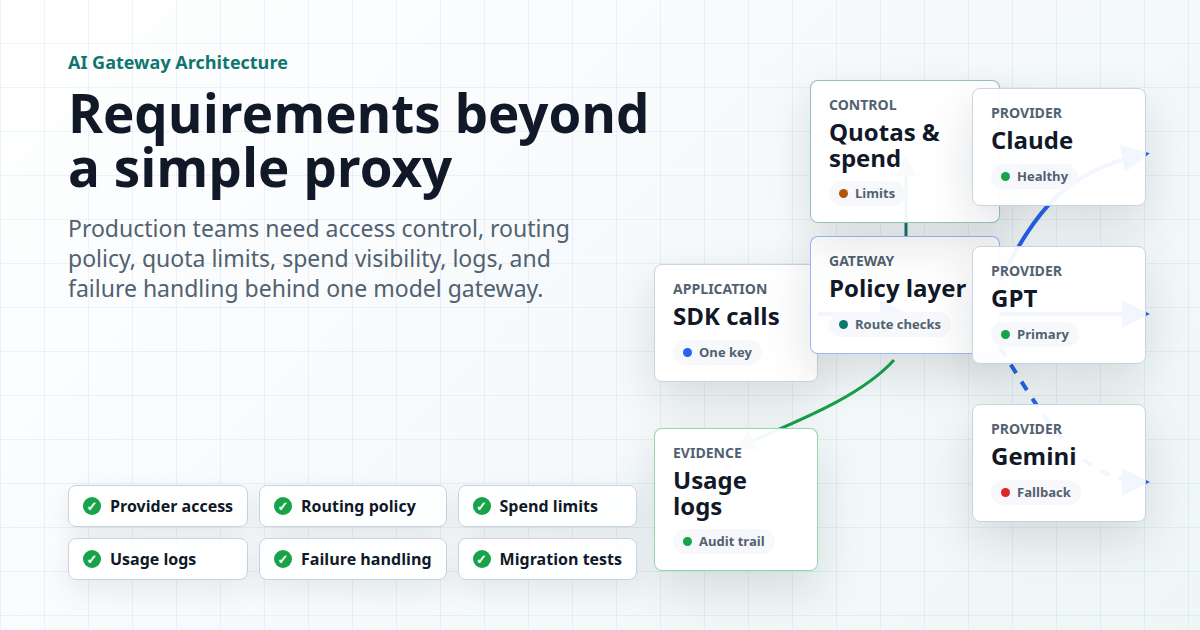
AI API Gateway Requirements: What Production Teams Need Beyond a Proxy
Use this AI API gateway checklist to evaluate provider access, routing, quotas, spend visibility, logs, failover, security, and migration work.
Build faster with one AI gateway.
Use flatkey.ai to manage models, keys, billing, and observability from one API platform.
Get started