
flatkey.ai Blog
Insights, product notes, and implementation guides for teams building on AI APIs.
AI Gateway Architecture
Latest articles in AI Gateway Architecture.
Read moreBase URL and SDK Migration
Latest articles in Base URL and SDK Migration.
Read moreCost, Billing, and Ops
Latest articles in Cost, Billing, and Ops.
Read moreEnterprise Controls and Trust
Latest articles in Enterprise Controls and Trust.
Read moreGateway Comparisons
Latest articles in Gateway Comparisons.
Read moreModel and Modality Playbooks
Latest articles in Model and Modality Playbooks.
Read moreReliability and Routing
Latest articles in Reliability and Routing.
Read moreTool Integrations
Latest articles in Tool Integrations.
Read more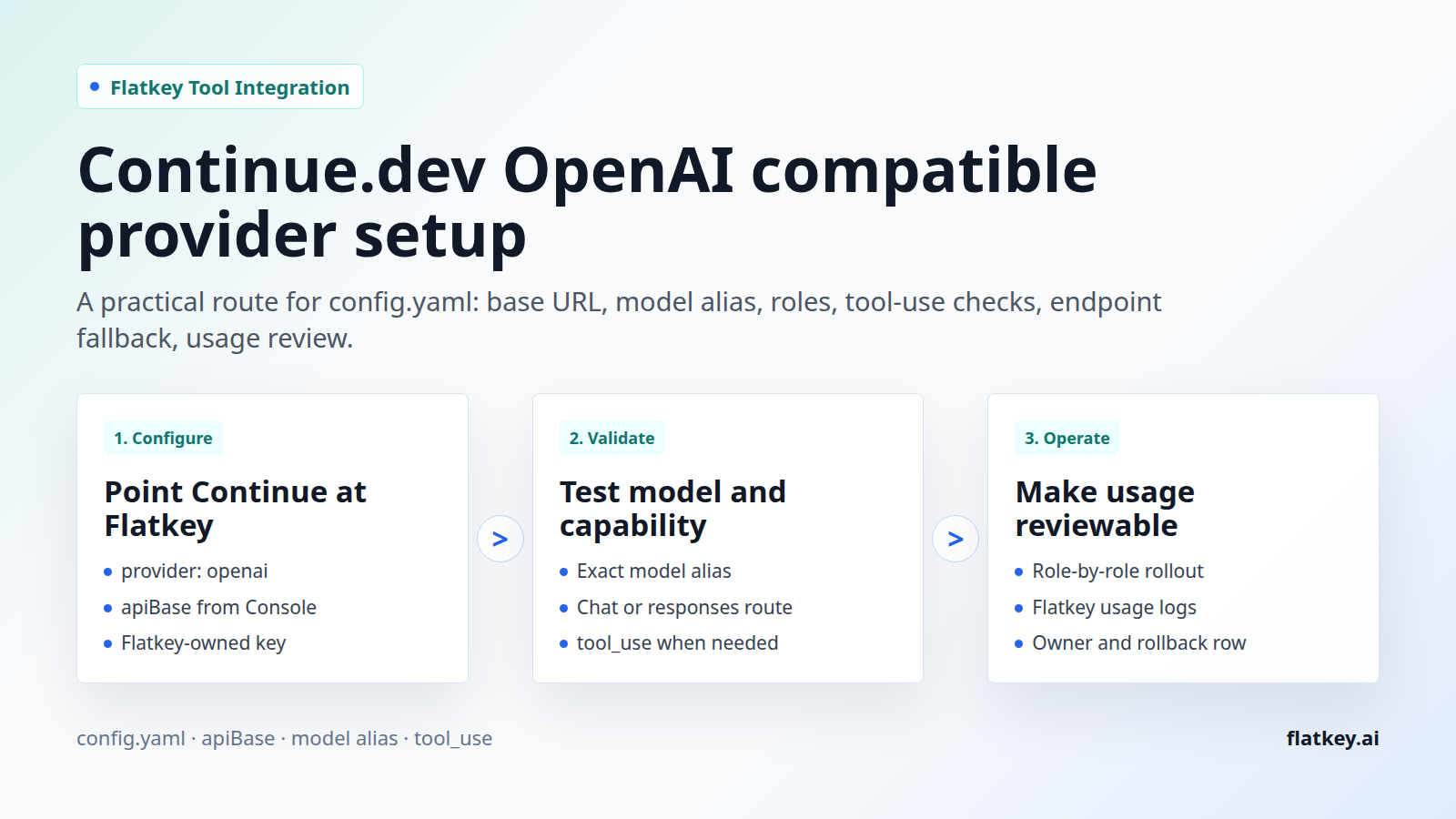
Continue.dev OpenAI compatible provider: Flatkey Setup Guide
Set up Continue.dev with Flatkey as an OpenAI-compatible provider: config.yaml, apiBase, model aliases, roles, tool-use checks, endpoint fallback, and usage review.
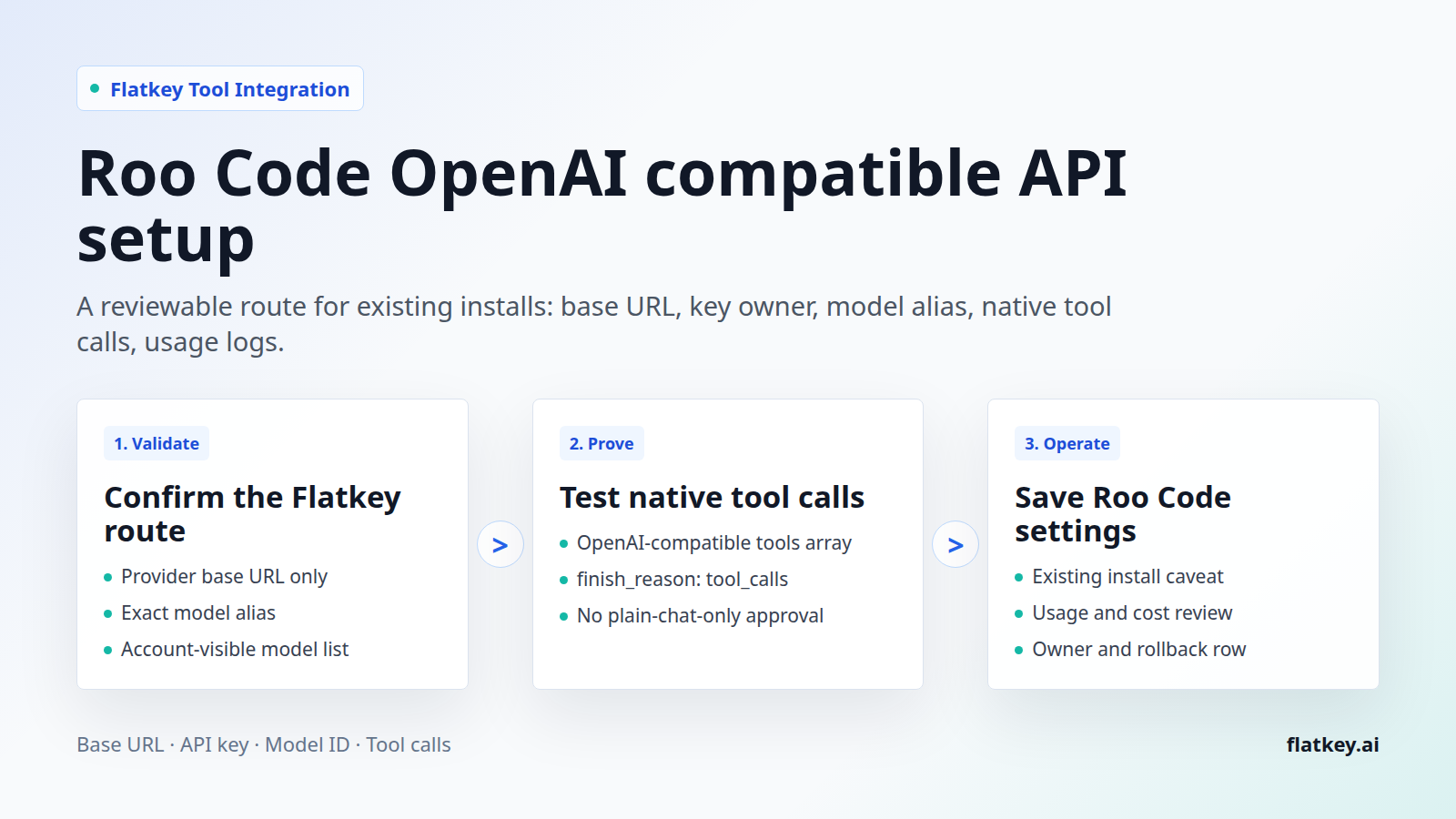
Roo Code OpenAI compatible API: Flatkey Setup Guide
If you still maintain Roo Code installs, the Roo Code OpenAI compatible API route is mostly a configuration surface: provider type, Base URL, API key, and Model ID. The production risk is the part that is easy to miss. Roo Code's provider docs require native O
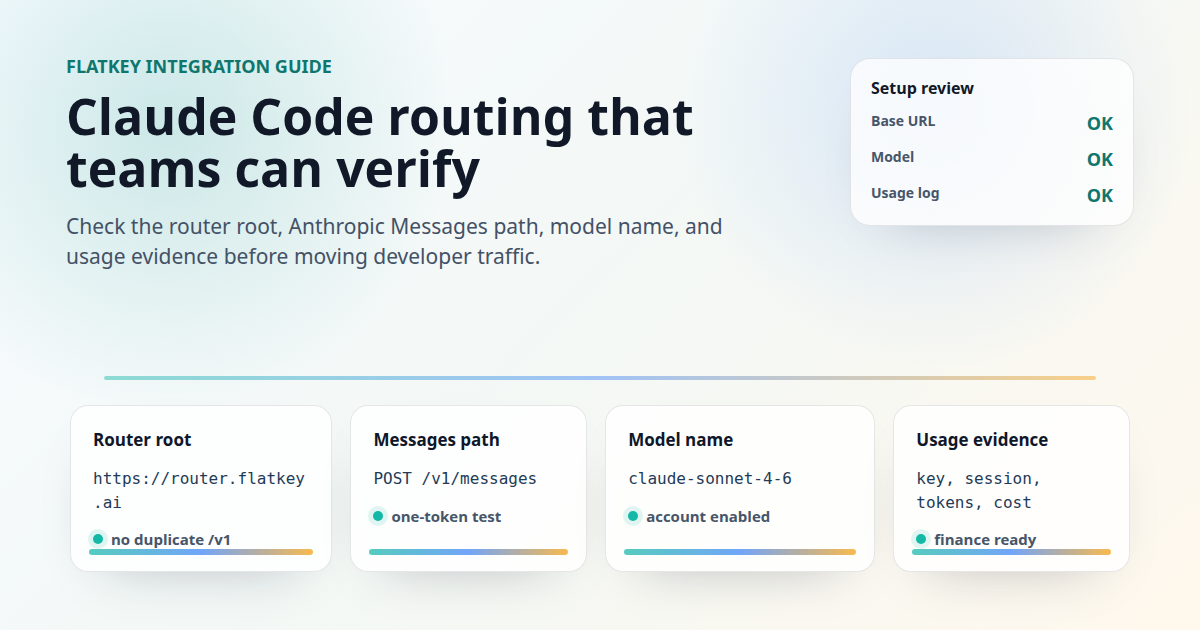
Claude Code API Router Setup: Base URL, Models, and Usage Logs
A Claude Code API router setup is not the same as changing an OpenAI SDK base URL. Claude Code speaks the Anthropic Messages gateway shape, so the important checks are the router root, the credential header, the model name Claude Code will send, and the usage records that prove requests are reaching
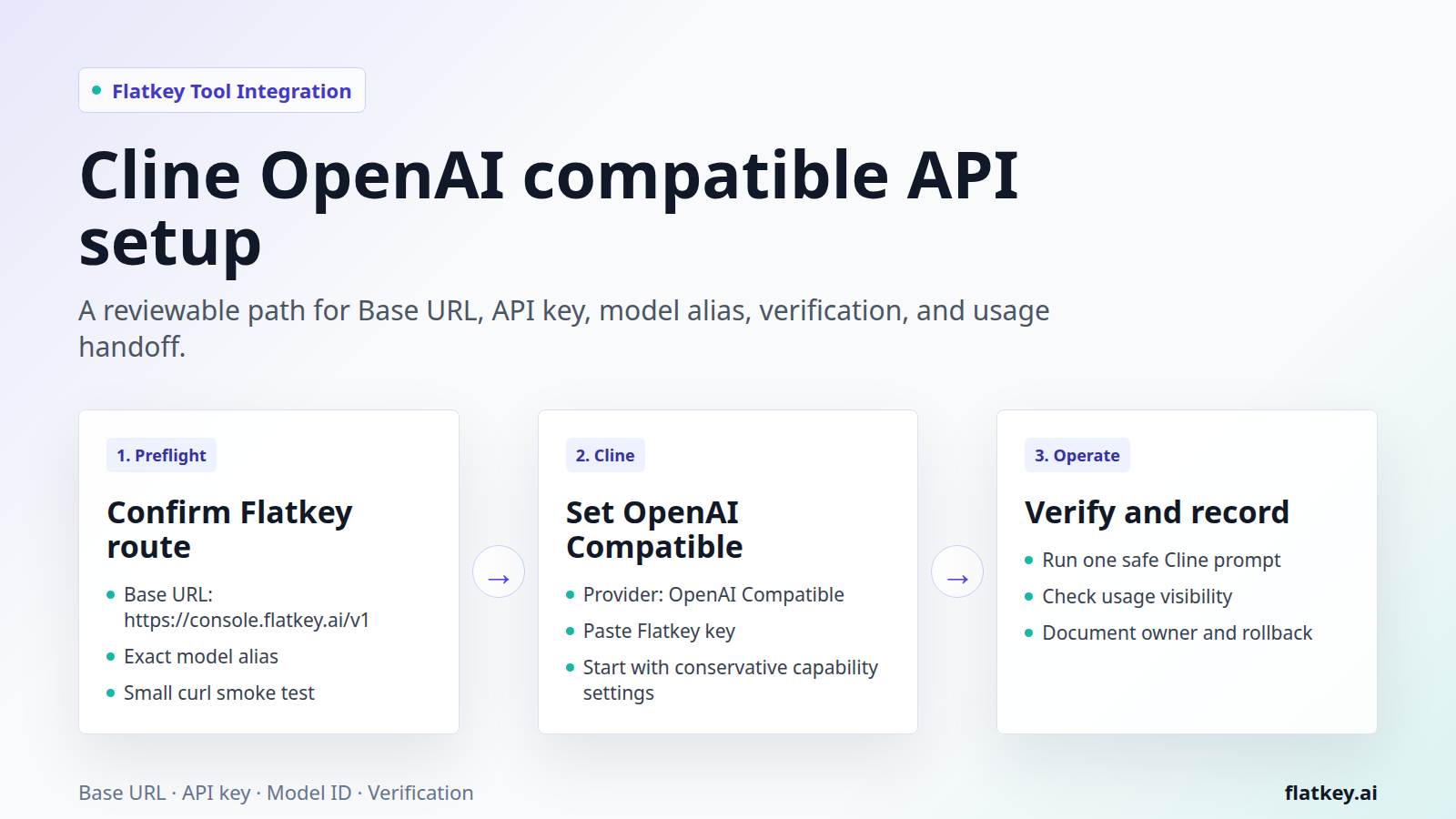
Cline OpenAI compatible API: Flatkey Setup Guide
If you are setting up the Cline OpenAI compatible API provider, the visible fields are simple: Base URL, API key, and model ID. The production risk is less obvious. A wrong path, stale model alias, unchecked model capability, or unowned key can make Cline fail only after a developer starts relying o

Token Usage Dashboard AI API: Fields Engineering and Finance Both Need
Build a token usage dashboard AI API teams can trust with fields for tokens, requests, model, key owner, cost, quota, recharge, and finance review.

AI Vendor Risk Assessment: Questionnaire, Scoring Model, and Evidence Checklist (2026)
An AI vendor risk assessment adds AI-specific checks to third-party review: training on your data, retention, model providers, AI security testing, cost controls and EU AI Act readiness. Get a 20-question questionnaire, evidence checklist, scoring script and contract clauses.
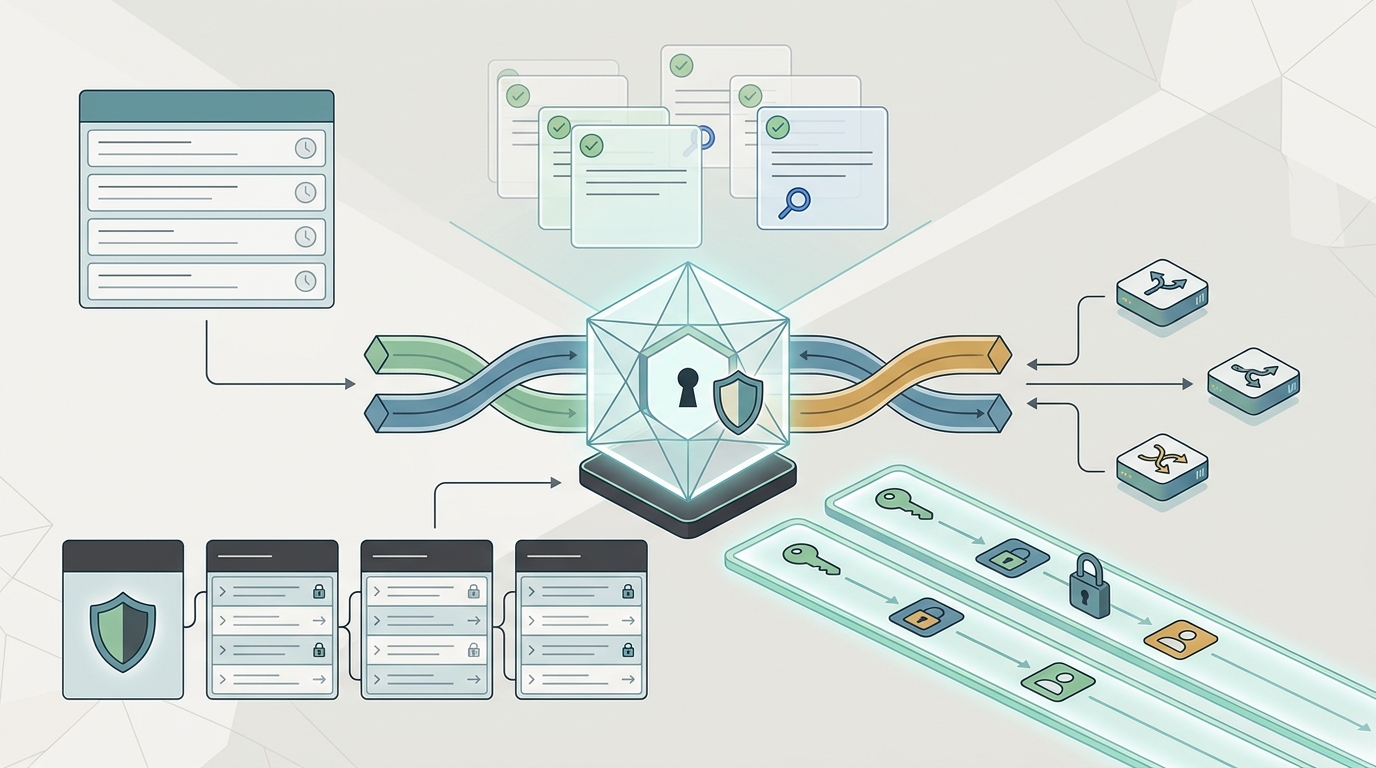
SOC 2 AI API Gateway Evidence: What to Verify Before Procurement
Use this SOC 2 AI API gateway evidence checklist to verify report scope, logs, provider routes, ISO 27001, GDPR, and buyer controls before procurement.
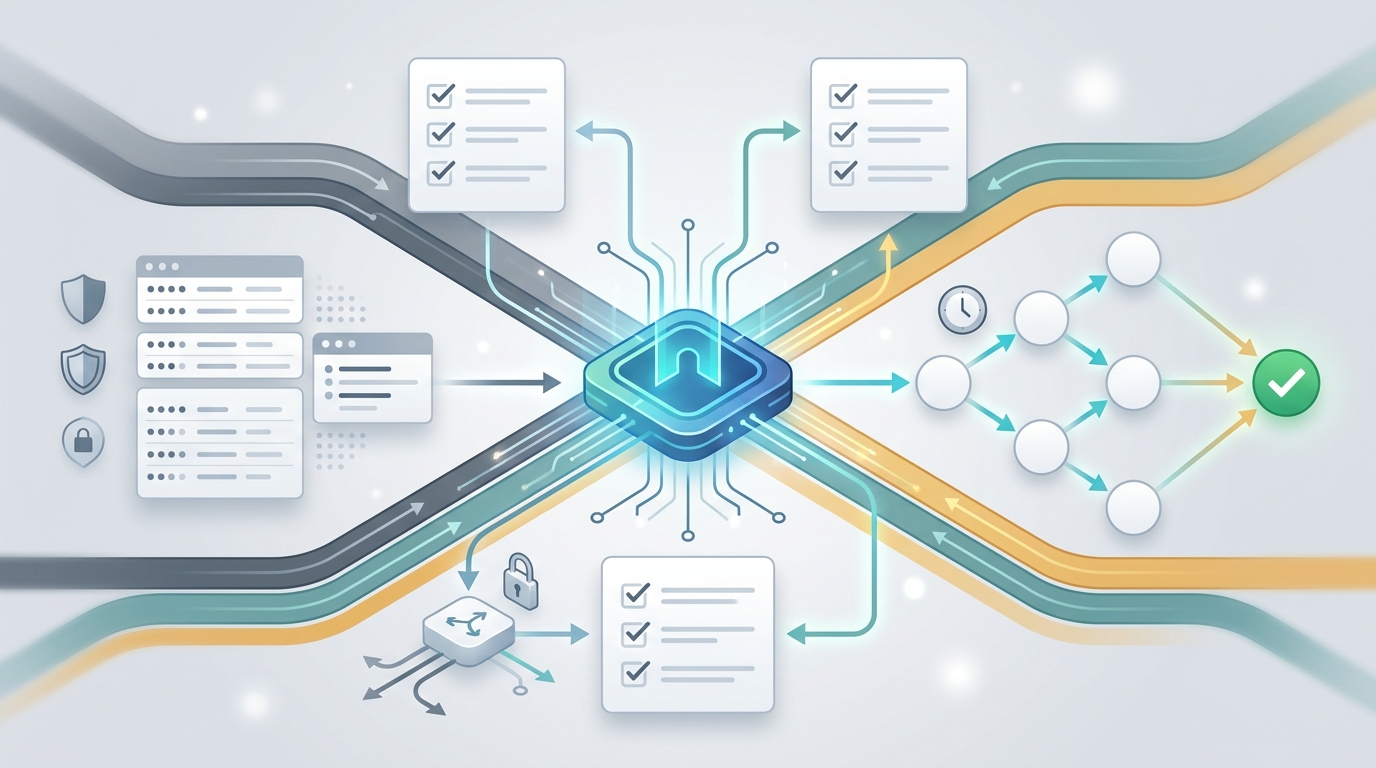
GDPR AI API Gateway Checklist: Data Boundaries, Logs, and Vendor Review
Use this GDPR AI API gateway checklist to map data boundaries, logs, retention, fallback, transfers, and vendor review before production AI traffic.

AI API Audit Logs: What Security Reviewers Ask For
Use this AI API audit logs checklist to show reviewers who used each model route, what was logged, what was redacted, and how evidence is retained.

Key Rotation for AI API Gateways: Rotate One Router Key Without Breaking Apps
Use this AI API key rotation runbook to create a replacement router key, canary traffic, roll back safely, revoke the old key, and save audit evidence.
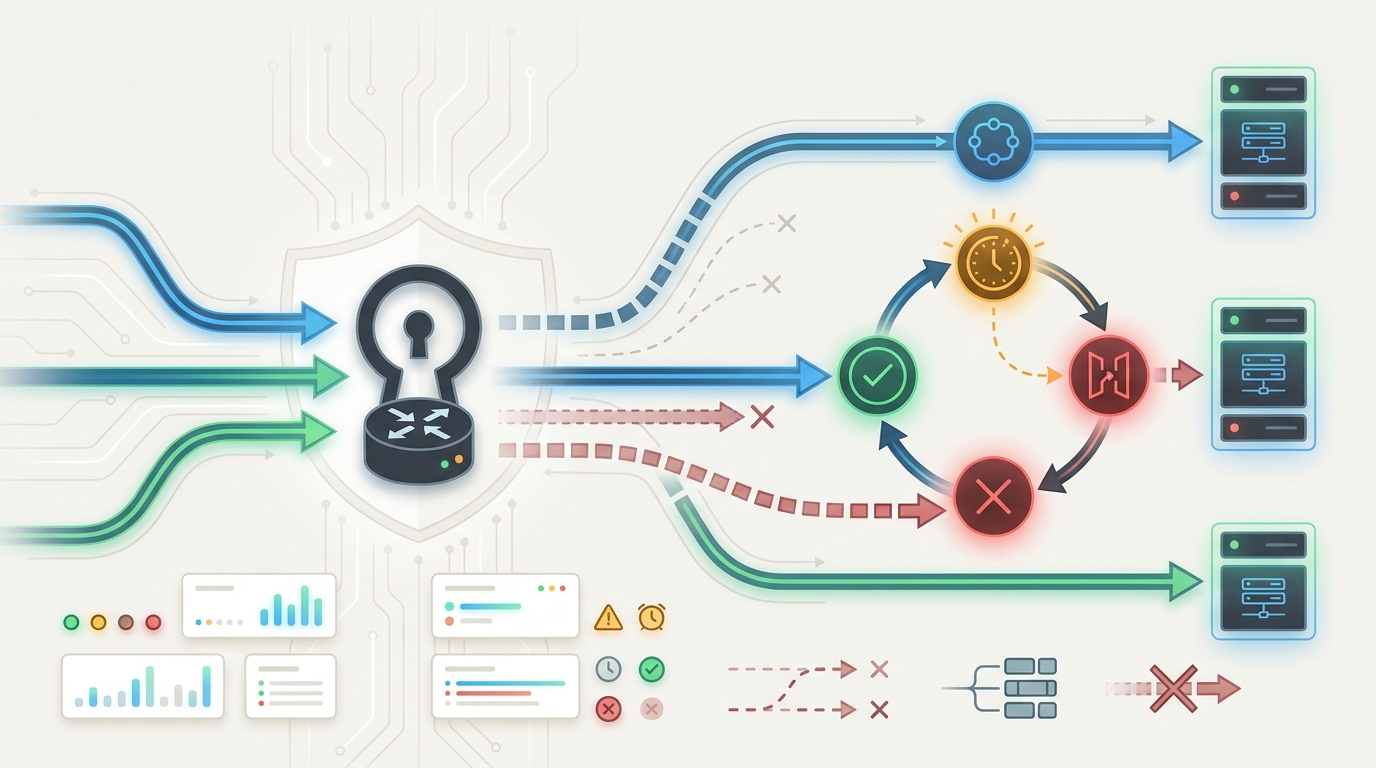
Circuit Breakers for LLM API Gateways: Protect Apps From Provider Failure Loops
Use an LLM API gateway circuit breaker to stop provider failure loops, classify errors, protect retries, and route to fallback, queue, or fail closed.
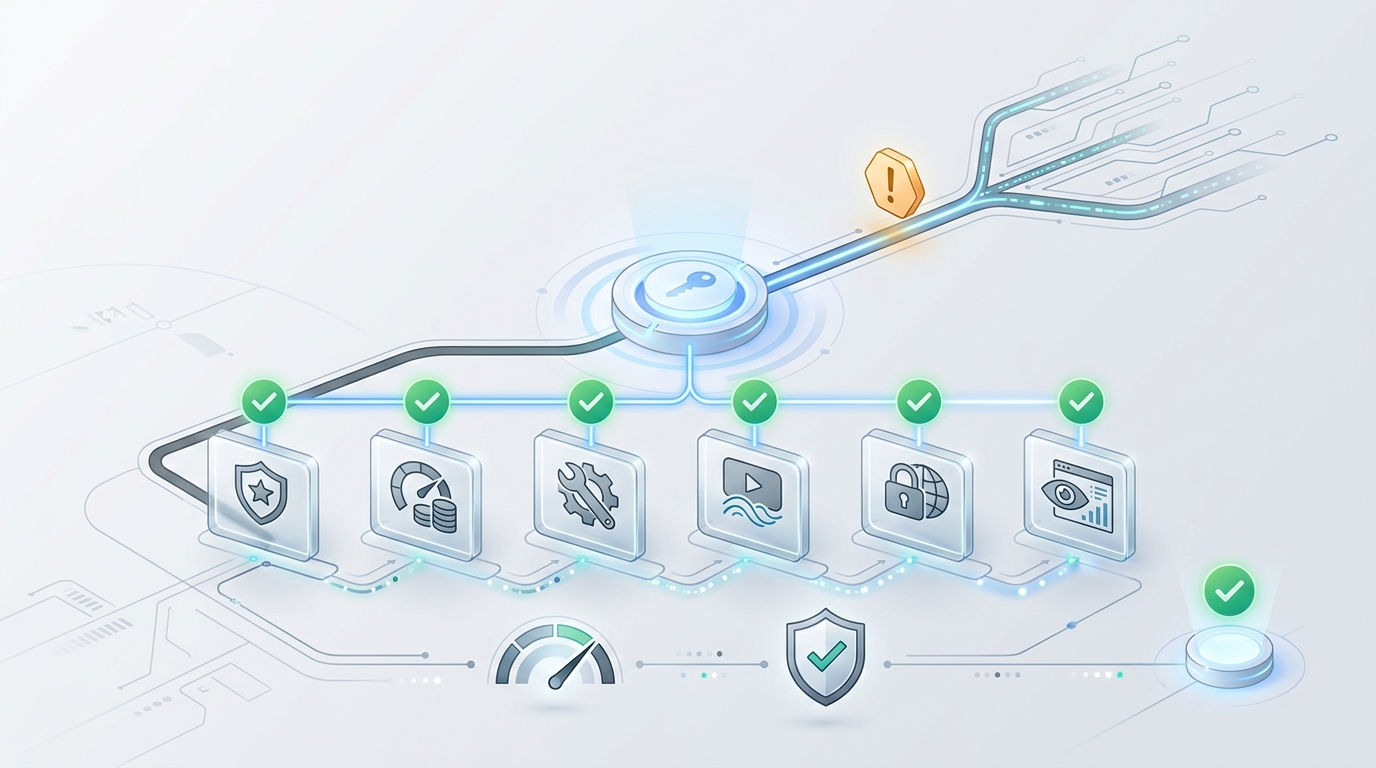
Model Fallback Checklist: Quality, Cost, Tools, and Compliance Boundaries
Use this model fallback checklist to evaluate quality, cost, tools, streaming, compliance, logs, and rollback before automatic AI gateway fallback.
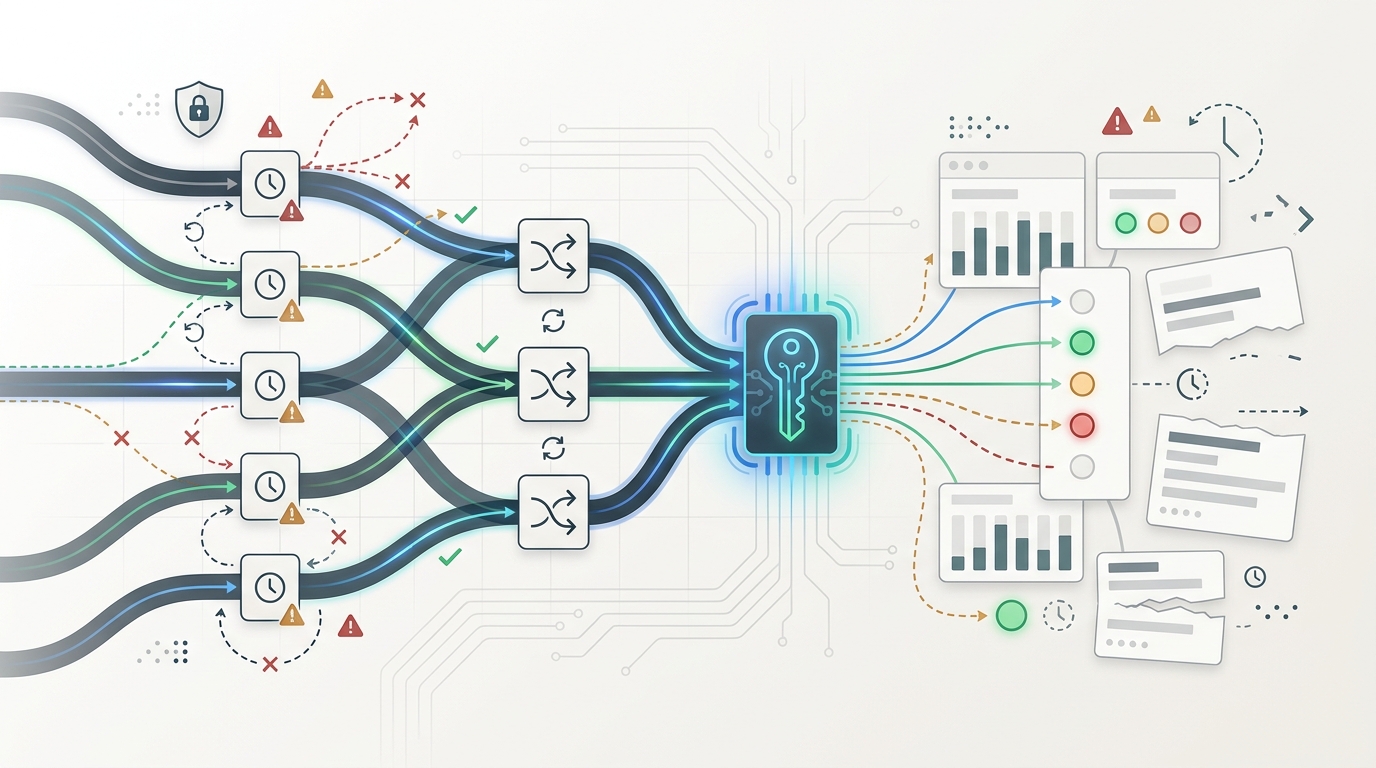
Streaming AI API Reliability: SSE, Timeouts, and Router-Level Failure Modes
Use streaming AI API reliability tests to catch SSE stalls, proxy timeouts, partial outputs, retry risks, and router failover gaps before production.
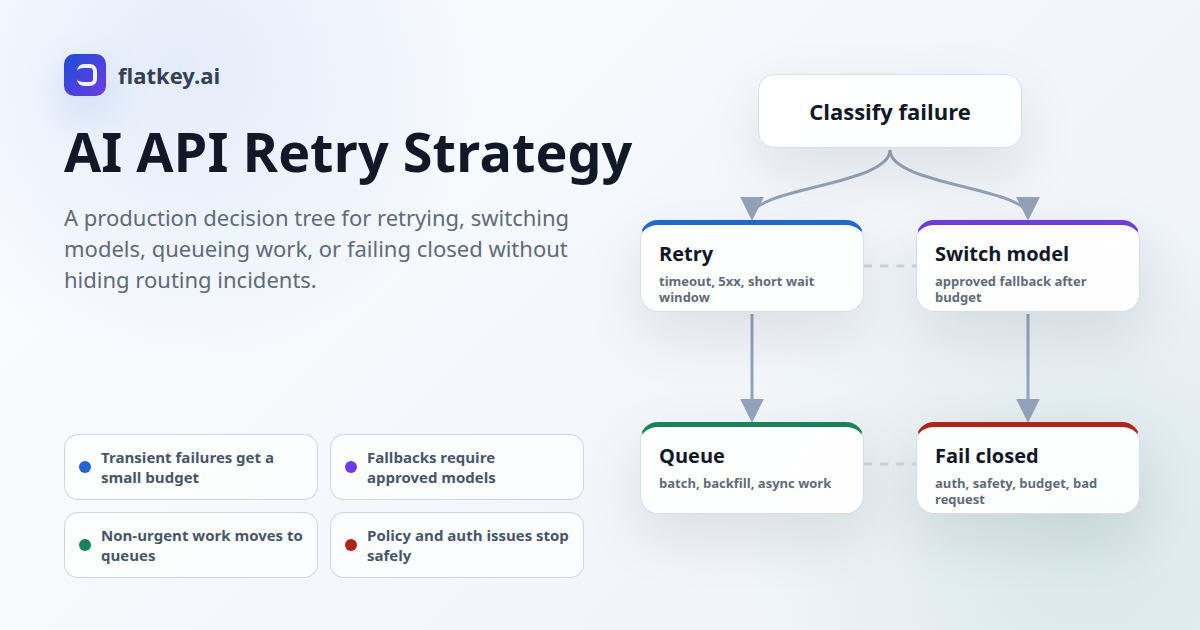
AI API Retry Strategy: When to Retry, Switch Models, Queue, or Fail Closed
Use an AI API retry strategy to decide when to retry, switch models, queue work, or fail closed without hiding quota, auth, or routing incidents.
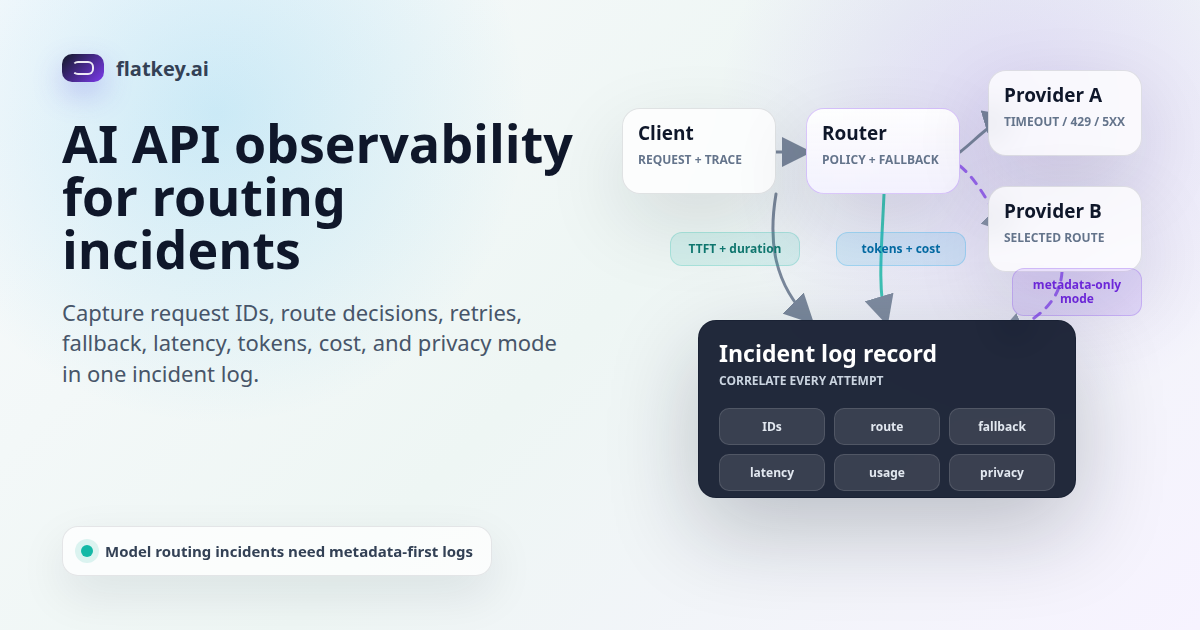
AI Observability Platforms: What They Do and How to Choose (2026)
AI observability platforms record prompts, tokens, cost, agent steps, and quality scores. Compare Langfuse, LangSmith, Arize, Datadog, Helicone, Braintrust, and Logfire on features and October 2026 pricing, with OpenTelemetry code.
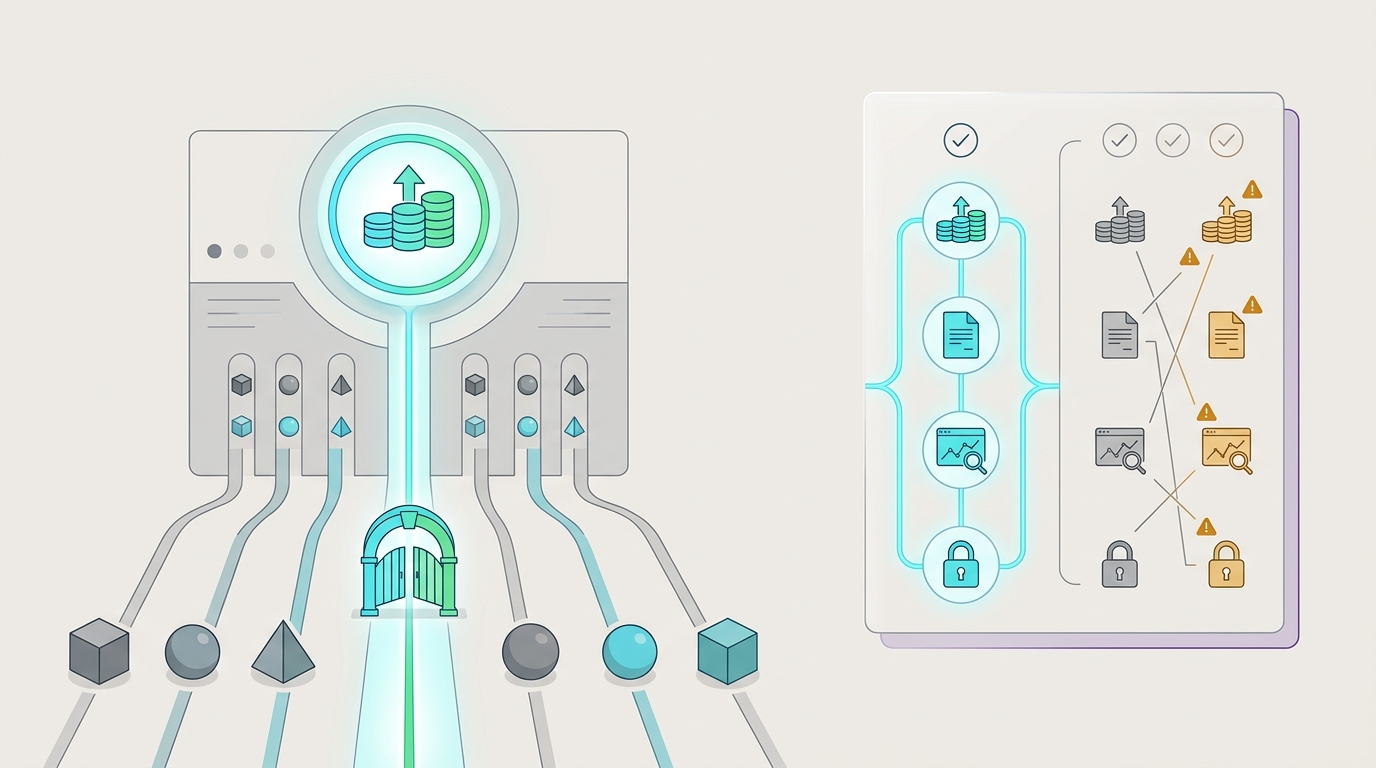
Prepaid AI API Billing vs Direct Provider Accounts: Operational Tradeoffs
Compare prepaid AI API billing with direct provider accounts across balance control, invoices, quotas, usage logs, support, and provider-level review.
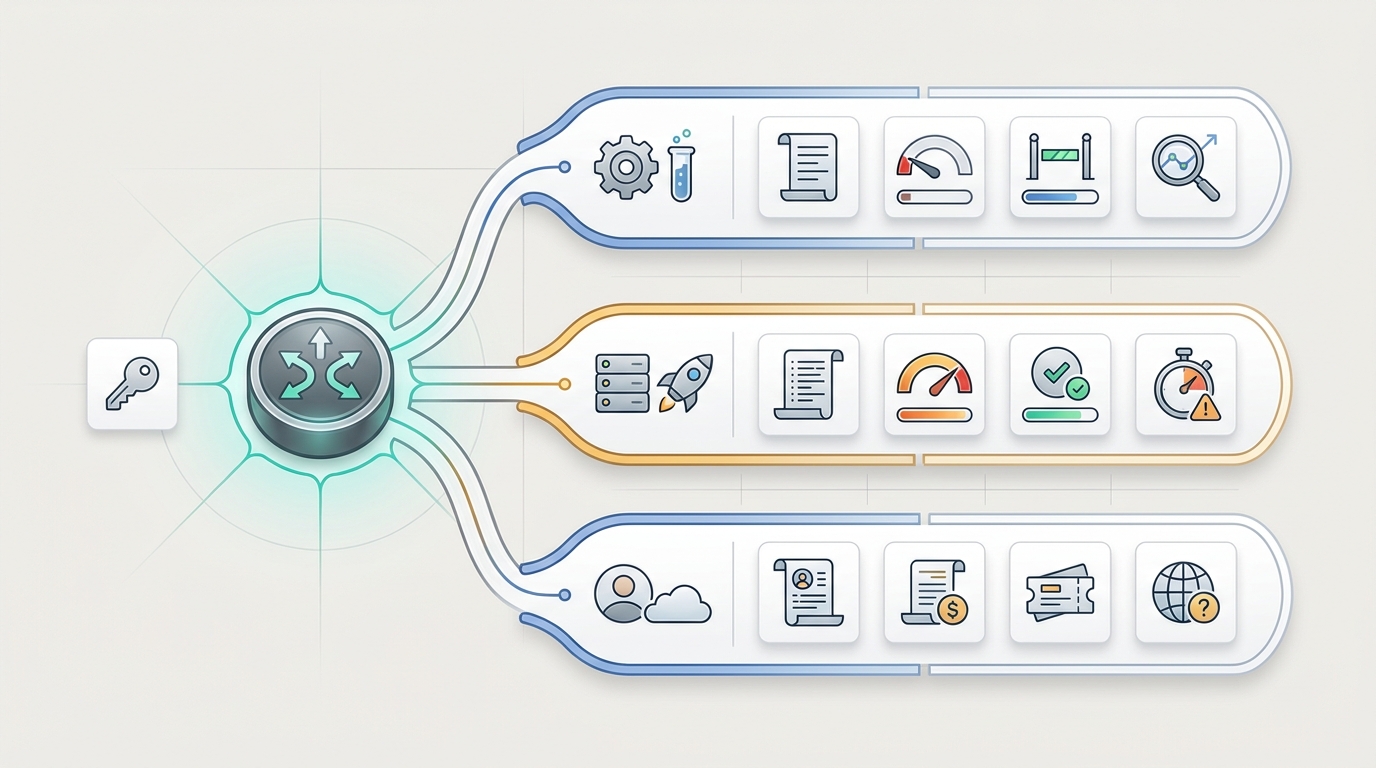
Per-Key AI Usage Tracking: Separate Staging, Production, and Customer Traffic
Use per-key AI usage tracking to separate staging, production, batch, and customer traffic with clearer quotas, logs, billing, and incident review.
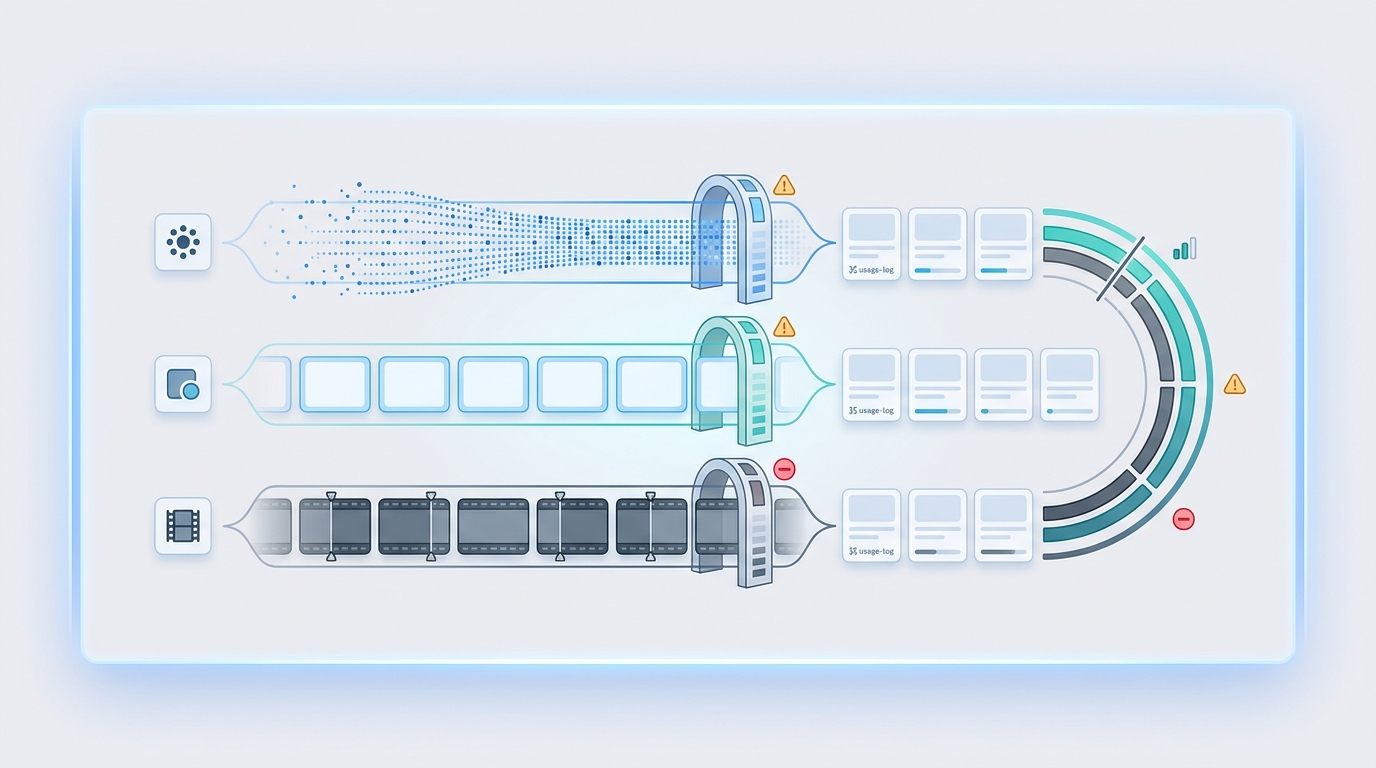
AI API Quota Management: Prevent Runaway Token, Image, and Video Spend
Use AI API quota management to prevent runaway token, image, and video spend with limits by key, team, workflow, model, and environment.
Build faster with one AI gateway.
Use flatkey.ai to manage models, keys, billing, and observability from one API platform.
Get started